
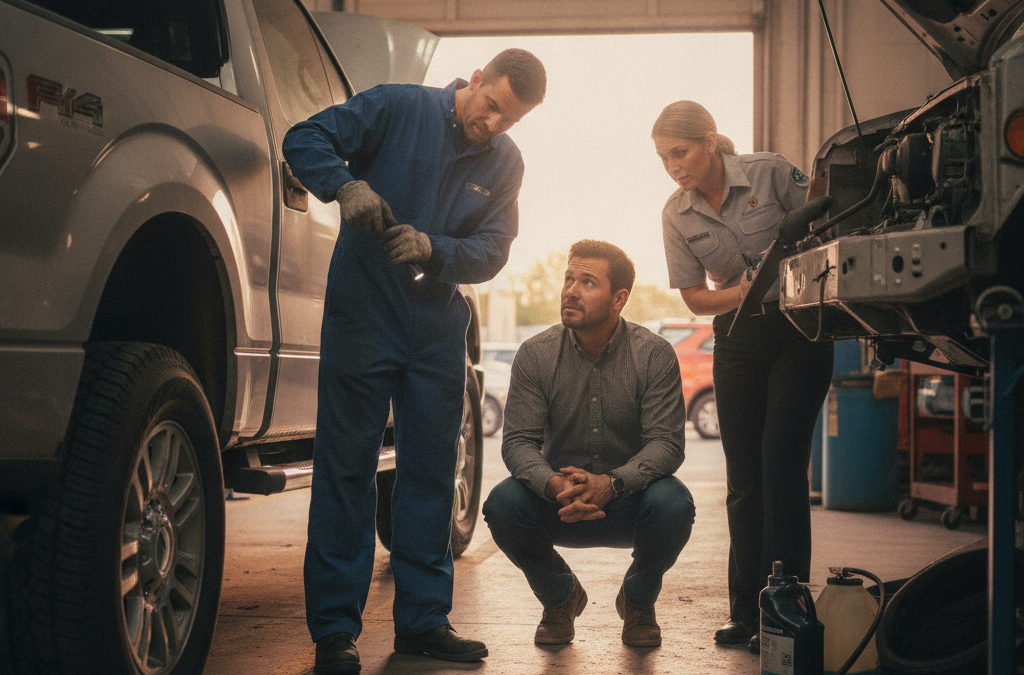
What Should You Know About Getting a Pre-Purchase Inspection on a Used Truck in Mesa, AZ?
If you’re shopping for a used truck in Mesa or anywhere in the Phoenix East Valley, here’s the short answer: get an independent inspection before you buy — no exceptions. A used truck might look great in photos and drive fine on a five-minute test run, but the stuff that actually costs money to fix usually isn’t visible from the driver’s seat. A professional pre-purchase inspection can surface those problems before you sign anything, giving you either the confidence to move forward or the leverage to walk away and save yourself a serious headache.
What makes trucks a little different from buying a used sedan? Trucks tend to carry more load, tow more weight, and take more abuse over their lifetime. And in Arizona’s desert climate, that abuse is compounded by some of the harshest conditions any vehicle can face. An inspection that might take 45 minutes on a passenger car often needs a bit more time on a truck — especially a diesel — because there’s simply more to look at.
What a Real Pre-Purchase Truck Inspection Should Cover
A proper inspection isn’t a glance under the hood and a kick of the tires. Here’s what a qualified shop should be checking:
- Engine and oil system: Look for leaks, check the oil condition, inspect belts and hoses, and verify the engine starts cleanly and runs without misfires or unusual noises.
- Transmission: Check fluid color and smell, look for leaks, and take note of how it shifts. Harsh shifts, slipping, or delayed engagement can all point to a transmission that’s on its way out — and transmission repairs aren’t cheap on a truck.
- Cooling system: This matters a lot in Arizona. A cooling system that’s barely keeping up in mild weather can fail completely during a Phoenix summer. The inspection should include checking coolant condition, hoses, the radiator, and thermostat function.
- Brakes: Pad thickness, rotor condition, brake fluid, calipers, and brake lines. On trucks used for towing, brakes tend to wear faster than most people expect.
- AC system: In Arizona, a working AC isn’t optional. A truck with a struggling compressor or low refrigerant might make it through winter just fine, but it’ll leave you sweating — or stranded — by April. Ask specifically that the AC output temperature be tested.
- Battery and charging system: Arizona heat cuts battery life to around two to three years versus the five you’d get in a milder climate. A battery that’s two years old here may already be approaching the end of its life.
- Undercarriage and frame: Look for rust (less common in Arizona than other states, but still worth checking), body damage, bent components from off-road use or hauling overloads, and any signs of prior accident repair.
- Tires: Check tread depth, sidewall condition, and look for uneven wear patterns that might indicate an alignment issue or suspension problem.
- Computerized diagnostic scan: A scan tool check can pull up stored trouble codes that the seller may have cleared before showing you the truck. Pending codes or recent resets are red flags worth knowing about.
That last point — the diagnostic scan — is something many sellers won’t volunteer information about, and it’s one of the most valuable parts of a professional inspection. Clearing codes doesn’t fix the problem; it just delays the check engine light from coming back on long enough for someone to buy the truck.
Arizona-Specific Issues to Watch for on Used Trucks
Buying a used truck in Mesa, Gilbert, Chandler, or anywhere else in the Valley means you’re dealing with some conditions that out-of-state buyers might not think about — but that local buyers absolutely should.
The extreme summer heat here — regularly hitting 115°F and above — accelerates wear on rubber components, belts, hoses, and seals faster than in almost any other market. A truck that spent five years in Phoenix has been through more thermal stress than a comparable truck from, say, Colorado. Hoses that look fine to the naked eye can be brittle and cracked just below the surface.
Hot pavement — sometimes exceeding 150°F in summer — is hard on tires. And the constant road construction across the East Valley and Grand Ave corridor means potholes, rough patches, and debris are a daily reality. Trucks that have been driven regularly on these roads may have alignment or suspension wear that isn’t obvious until you check it directly.
If the truck you’re looking at came from somewhere colder — say, it’s been up in the Scottsdale or Queen Creek area but was originally purchased out of state — ask specifically about the frame condition. Rust from road salt used in other states can hide in places that aren’t obvious at a quick glance.
What About Diesel Trucks? Do They Need a Different Inspection?
Yes — if you’re looking at a diesel pickup, the inspection should include a few additional checks that gas-engine trucks don’t require. Diesel engines are generally more durable and longer-lasting, but they also have specific maintenance needs that, if neglected, can turn into expensive repairs fast.
For a used diesel truck, ask the shop to check:
- Diesel particulate filter (DPF) condition and whether it’s been properly maintained or deleted (a common modification that can create legal and mechanical headaches)
- EGR system and turbocharger condition
- Diesel fuel system health, including injectors and high-pressure fuel pump
- Oil change history — diesel engines have specific oil requirements, and extended drain intervals can shorten engine life significantly
- DEF system (on trucks 2011 and newer) for proper function
A shop that handles both diesel and gas vehicles can walk you through all of this. All Valley Car Care’s full-service capabilities include diesel diagnostics and maintenance, which means a diesel truck inspection here isn’t handed off or guessed at — it’s covered by the same team that services diesel vehicles regularly.
Why Private Sellers and Dealerships Don’t Replace an Independent Inspection
Some dealers offer their own inspections or “certified pre-owned” programs — and while those can be valuable, they’re not the same as having a shop that works for you, not the seller, look at the vehicle. Private sellers in Tempe, Peoria, or wherever you’re finding the truck on Facebook Marketplace aren’t providing any inspection at all in most cases.
An independent shop has no stake in whether you buy the truck. Their job is to tell you exactly what they find — good and bad — so you can make an informed decision. That’s the only kind of inspection that actually protects you.
At All Valley Car Care, we don’t recommend repairs you don’t need, and we don’t soften bad news to make a sale happen. If a truck has significant problems, we’ll tell you plainly, explain what the repairs would cost, and let you decide whether the deal still makes sense — or whether you should keep looking. You can learn more about the people behind the shop on our About Us page.
Frequently Asked Questions
How much does a pre-purchase inspection cost for a truck in the Phoenix area?
Costs vary by shop and how thorough the inspection is. A basic inspection might run $100–$150, while a more comprehensive inspection on a diesel truck or a truck with high mileage can run higher. Even at the high end, it’s a small cost compared to buying a truck that needs a transmission rebuild or a new AC compressor two months later. Call us for current pricing — we’ll give you a straight answer.
Can I bring a truck to All Valley Car Care for a pre-purchase inspection even if I’m buying it from a private seller in another city?
Yes. You arrange to bring the vehicle in, and we’ll inspect it. The seller doesn’t need to be present. Many buyers in Mesa, Chandler, Gilbert, and surrounding areas bring vehicles here for an independent second opinion before finalizing a private-party sale.
How long does a pre-purchase truck inspection take?
Typically one to two hours for a gas-engine truck, and a bit longer for a diesel or a truck with a lot of miles. We’ll give you a realistic time estimate when you schedule so you can plan around it.
What if the inspection finds problems? Does that mean I shouldn’t buy the truck?
Not necessarily. Every used vehicle has some wear — the question is whether the problems are minor maintenance items, serious safety concerns, or expensive repairs that change the value of the deal. We’ll explain what we found in plain English and give you enough information to negotiate, request repairs from the seller, or walk away if the issues are significant enough.
Does it matter if the truck has low mileage?
Low mileage helps, but it doesn’t guarantee a problem-free truck — especially in Arizona. A low-mileage truck that sat outside in the Surprise or Scottsdale heat for years can have degraded hoses, a tired battery, and AC issues despite not having many miles on the odometer. Age and exposure matter just as much as mileage in this climate.
Ready to Get a Truck Inspection Before You Buy?
If you’re looking at a used truck in Mesa, Gilbert, Chandler, or anywhere in the East or West Valley, don’t skip the inspection to save time or avoid an awkward conversation with the seller. The cost of knowing what you’re buying is almost always less than the cost of finding out after the fact.
Contact All Valley Car Care to schedule a pre-purchase inspection. We serve buyers across the Phoenix metro area from our locations in Surprise, Gilbert, and Glendale — and we’ll give you an honest report with no pressure and no agenda other than making sure you know what you’re getting into.