
Check Engine Light Diagnostics in Gilbert, AZ
Verified Fault Identification Before Every Repair
Professional car diagnostic with live data analysis, written findings, and ASE-certified repair — before any work begins.
- Complete check engine light diagnosis covering OBD-II fault code retrieval, live sensor data analysis, freeze frame review, and physical component inspection for all vehicle makes and models
- ASE-certified technicians performing a full car diagnostic — not just a code read — before any repair recommendation is made
- Car diagnostic near me — same-day diagnostic appointments available serving Gilbert drivers through our accessible location
Check Engine Light Diagnostics Gilbert
Check Engine Light Warning Signs Gilbert, AZ Drivers Should Not Ignore
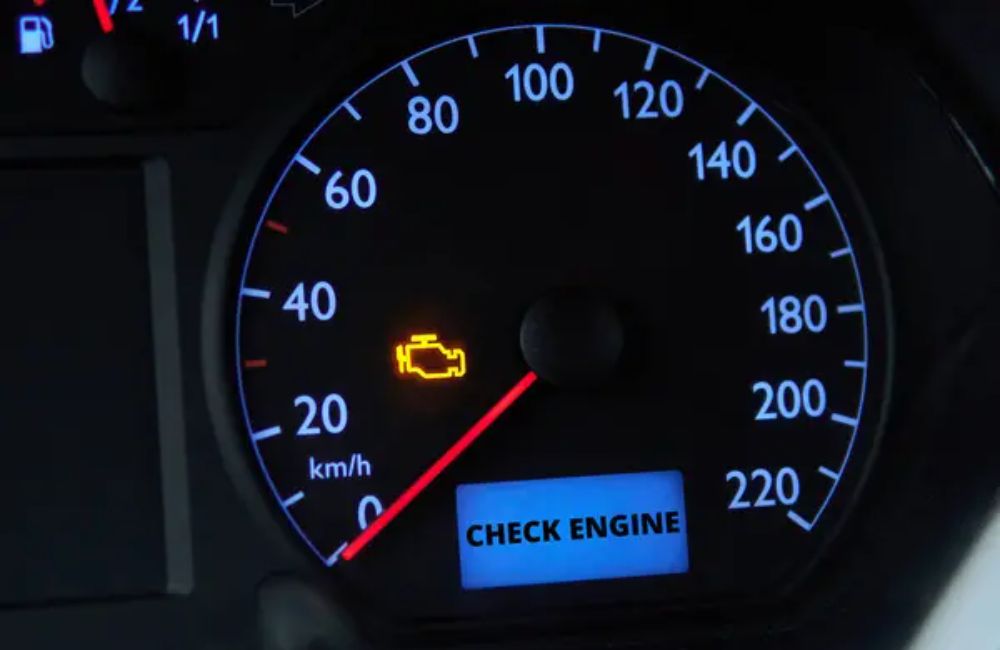
The check engine light is the most misunderstood warning indicator on a modern vehicle — and in Gilbert’s driving environment, where extreme heat, sustained freeway speeds, and stop-and-go traffic on major corridors all accelerate the sensor and emissions system faults that trigger it, the light carries a range of urgency that only a professional car diagnostic can determine. Some check engine light faults are minor evaporative emissions issues. Others indicate active misfires destroying a catalytic converter with every combustion cycle. The light itself cannot communicate which condition is present — which is why a code read from a parts store is a starting point, not a diagnosis. If any of the following describe your vehicle’s current situation, a professional diagnostic is the correct next step.
Your Check Engine Light Came On Suddenly
A check engine light that illuminates without any accompanying drivability symptoms — the vehicle runs, starts, and accelerates normally — typically indicates a sensor fault, an evaporative emissions system fault, or a minor oxygen sensor issue that has crossed the engine control module’s fault threshold. These faults are not always urgent from a safety standpoint, but they should not be deferred indefinitely: an unresolved check engine light leaves the driver with no dashboard warning available if a second, more serious fault develops while the first is still stored. A check engine light that illuminates alongside a noticeable change in how the vehicle drives — hesitation, rough idle, power loss, or unusual smell — indicates a fault with active drivability impact that warrants prompt diagnosis.
Your Check Engine Light Is Flashing or Blinking
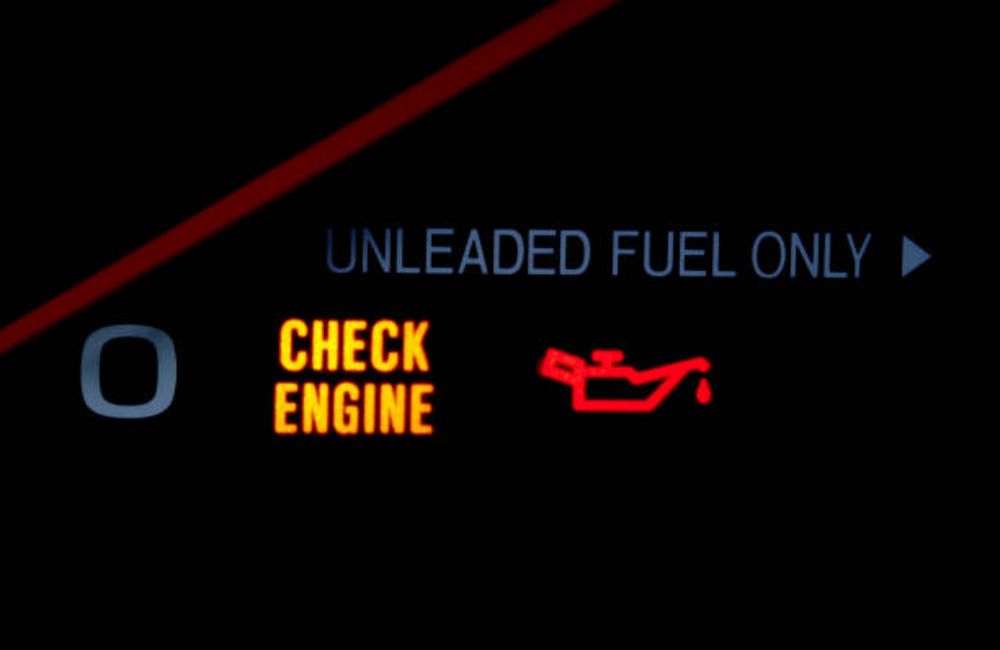
A flashing or blinking check engine light is the engine control module’s signal that a misfire is occurring that is severe enough to damage the catalytic converter — and it requires a different response than a steady light. Each combustion cycle that misfires passes unburned fuel through the exhaust system into the catalytic converter, where it combusts at temperatures the converter is not designed to sustain. Extended flashing check engine light operation accelerates catalytic converter degradation to the point where a repair that would have been limited to a spark plug or ignition coil becomes a combined ignition and catalytic converter replacement. All Valley Car Care advises Gilbert drivers with a flashing check engine light to minimise driving and schedule a car diagnostic as promptly as possible.
Your Check Engine Light Returned After a Recent Repair
A check engine light that returns within days or weeks of a repair — whether performed at another shop or as a DIY repair — indicates either that the root cause of the original fault was not correctly identified, that the replacement component is faulty, or that a related fault in the same system was not addressed when the original repair was made. The most common scenario is an oxygen sensor replacement performed based on an O2 sensor fault code, where the actual fault is a rich or lean fuel mixture that damaged the sensor rather than a failed sensor causing the code. All Valley Car Care diagnoses returning check engine lights by evaluating the system that generated the code — not by assuming the same code means the same fault.
Your Vehicle Failed an Arizona Emissions Test
Arizona’s emissions testing program for Maricopa County requires vehicles to pass both a tailpipe emissions test and an OBD-II readiness monitor test — and a failed emissions test almost always accompanies an illuminated check engine light or incomplete OBD-II readiness monitors. The OBD-II readiness monitors are internal self-tests the engine control module runs to confirm that emissions-related systems are functioning correctly — and if the check engine light has been cleared recently without a complete drive cycle, these monitors may show as incomplete and cause a test failure even if no fault is currently stored. All Valley Car Care diagnoses emissions test failures by identifying the specific monitor or fault responsible — not by clearing codes and hoping the monitors complete before the retest.
You Noticed a Change in Performance Alongside the Light
A check engine light accompanied by rough idling, hesitation under acceleration, reduced power on the US-60 or San Tan Freeway, poor fuel economy, or an unusual exhaust smell indicates a fault with active impact on engine performance — not a dormant sensor issue that can be addressed at the next scheduled service. These drivability symptoms combined with a check engine light narrow the diagnostic focus to fuel system faults, ignition system faults, airflow measurement errors, or emissions system failures that are affecting combustion quality in real time. A car diagnostic that includes live sensor data and a road test under the conditions that trigger the symptom identifies the specific fault source before parts are replaced.
Check Engine Light Diagnostics Gilbert
Check Engine Light Diagnostics Services
Complete check engine light diagnostics in Gilbert, AZ — covering OBD-II fault code retrieval, live data analysis, freeze frame review, and physical inspection for all vehicle makes and models.

OBD-II Fault Code Retrieval & Interpretation
Manufacturer-enhanced fault code retrieval with live data context — interpreting the system condition behind the code rather than replacing the component named in the code description.
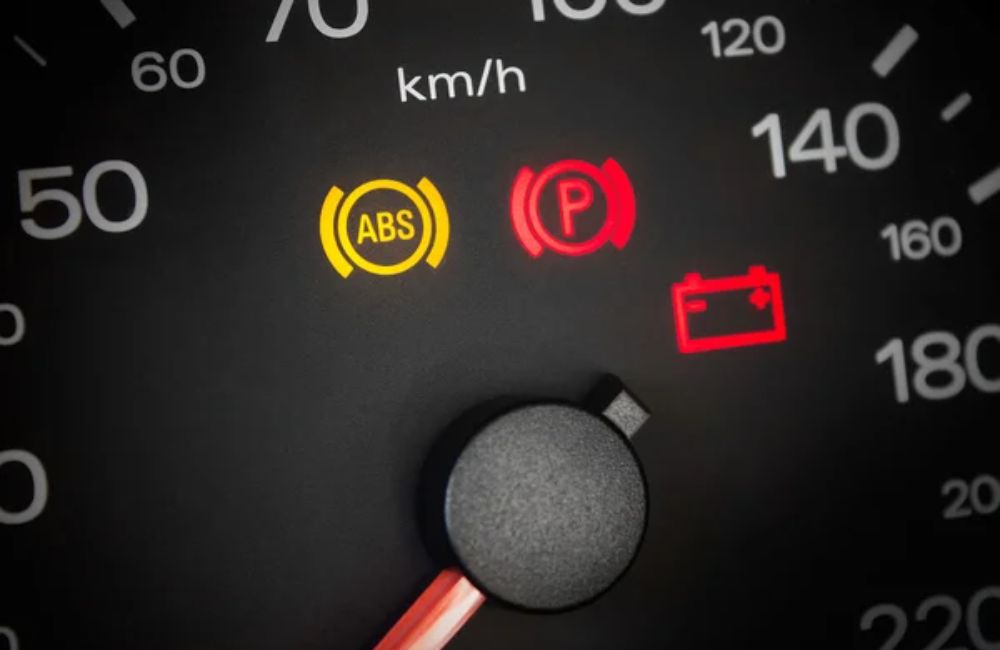
Live Sensor Data & Freeze Frame Analysis
Live engine sensor data review and freeze frame record evaluation — identifying the operating conditions and sensor values that triggered the check engine light before any repair recommendation is made.
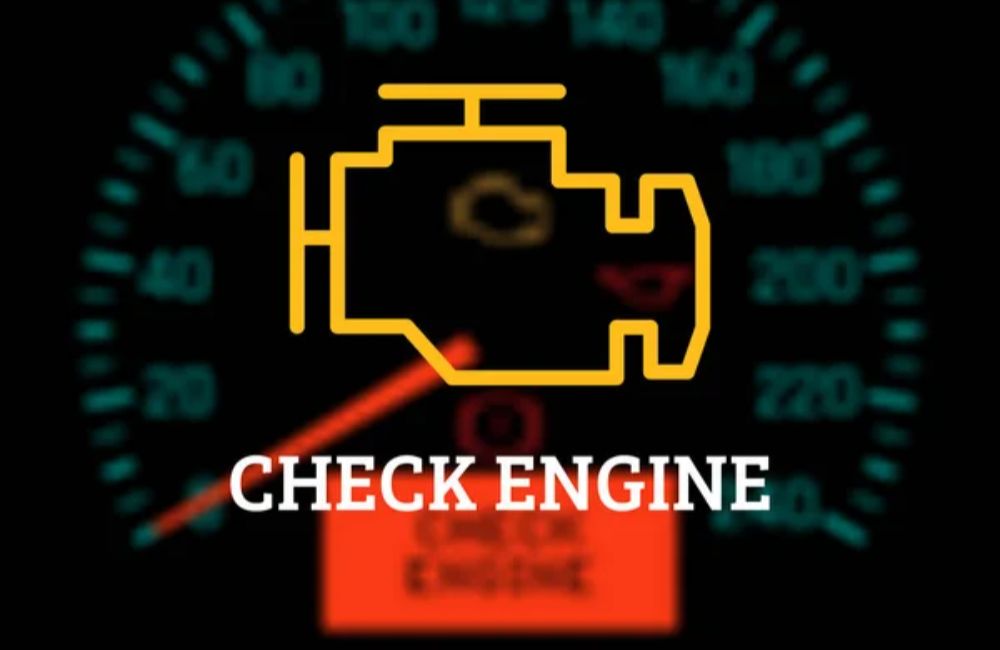
Oxygen Sensor Diagnosis & Replacement
Oxygen sensor response testing and circuit evaluation — confirming sensor failure versus a fuel mixture fault that has damaged a functional sensor before O2 sensor replacement is recommended.
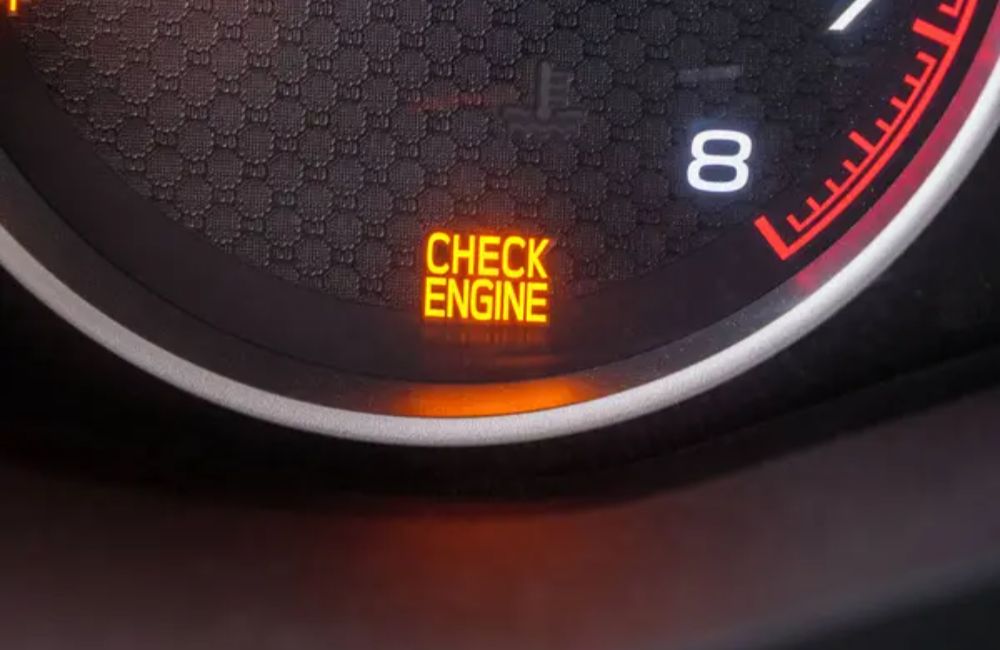
Fuel System Fault Diagnosis
Fuel pressure testing, injector assessment, and fuel trim analysis — identifying the delivery or mixture fault behind check engine codes related to rich or lean fuel conditions.
Ignition System Fault Diagnosis
Misfire counter evaluation, ignition coil output testing, and spark plug condition assessment — identifying the cylinder-specific ignition source of misfire-related check engine codes.

Emissions System Diagnosis
Catalytic converter efficiency testing, EVAP system leak detection, and EGR system evaluation — diagnosing the emissions component fault behind check engine codes affecting Arizona emissions compliance.
Mass Airflow & Intake System Diagnosis
MAF sensor output testing, intake air leak detection, and throttle body assessment — identifying airflow measurement faults causing fuel trim codes, rough idle, and power loss.

Emissions Readiness Monitor Evaluation
OBD-II readiness monitor status review and drive cycle guidance — confirming monitor completion status for Gilbert drivers preparing for Maricopa County emissions testing.

Post-Repair Verification Scan
Post-repair fault code scan confirming fault resolution, monitor reset, and absence of new codes — verifying the repair is complete before the vehicle is returned.
Check Engine Light Diagnostics Gilbert
Why Choose All Valley Car Care for Check Engine Light Diagnostics in Gilbert, AZ
All Valley Car Care provides professional check engine light diagnostics near Gilbert, AZ — combining bi-directional scan tool fault code retrieval with live sensor data analysis, freeze frame review, and physical component inspection to identify the verified fault source behind the light, not just the system it points to. Our location serves drivers across the Higley Corridor, Power Ranch, Agritopia, Val Vista Lakes, and surrounding East Valley communities with comprehensive OBD-II diagnostics, emissions system evaluation, fuel system testing, ignition fault assessment, and sensor circuit testing — performed by ASE-certified technicians who understand how Gilbert’s heat, traffic patterns, and Arizona emissions requirements create the specific fault patterns East Valley drivers face.
- ASE-certified technicians using bi-directional scan tools with manufacturer-enhanced code access — retrieving system-specific fault codes beyond the generic OBD-II codes that basic code readers return
- Live sensor data analysis performed alongside every fault code retrieval — evaluating oxygen sensor response, fuel trim values, misfire counters, engine load data, and MAF output to interpret code context rather than replace the component named in the code
- Freeze frame data reviewed for every stored fault — identifying the engine operating conditions at the moment the fault was recorded to focus the diagnostic on the conditions that triggered the light
- Physical component inspection performed alongside scan tool diagnosis — confirming that electronic fault data and physical component condition are consistent before a repair recommendation is made
- Arizona emissions readiness monitor evaluation included with check engine light diagnostics — confirming OBD-II monitor completion status for Gilbert drivers preparing for or following a failed Maricopa County emissions test
- Written car diagnostic report with fault codes, live data snapshots, freeze frame records, and physical inspection findings documented before any repair recommendation is presented
- Saturday availability (8 AM–2 PM) for Gilbert drivers who need check engine light diagnosis outside standard weekday hours.

Check Engine Light Diagnostics Gilbert
How We Deliver Consistent Check Engine Light Diagnostic Quality
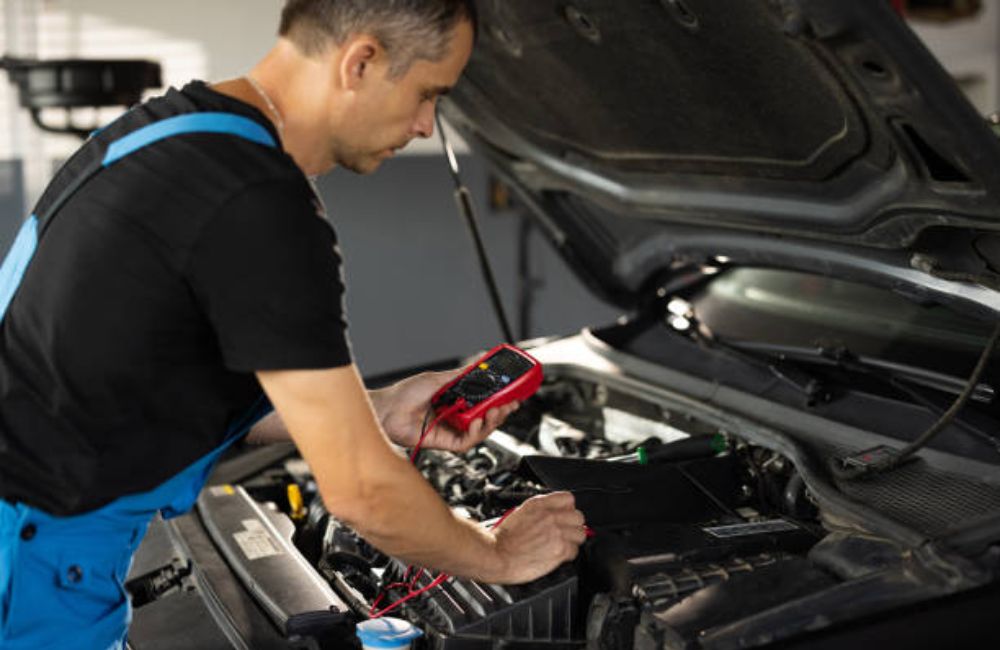
- Fault code retrieval performed using bi-directional scan tools with manufacturer-enhanced code access — retrieving system-specific and component-specific codes that generic OBD-II readers do not access, providing fault context that changes the diagnostic direction
- Live sensor data recorded and analysed alongside every fault code — capturing oxygen sensor switching frequency, short-term and long-term fuel trim values, MAF output, engine load, and misfire counters that provide the operating context for fault code interpretation
- Freeze frame data reviewed for every stored fault code — identifying vehicle speed, engine load, coolant temperature, and fuel trim at the moment the fault was detected to narrow the diagnostic focus to the conditions that triggered the code
- Physical component inspection performed for every system implicated by fault codes — confirming that scan tool data and physical component condition are consistent and identifying secondary damage or related faults before a repair recommendation is finalised
- Arizona OBD-II emissions readiness monitor status evaluated at every check engine light diagnostic — identifying incomplete monitors and explaining the drive cycle requirements that must be completed before a Maricopa County emissions retest
- Road test performed where drivability symptoms accompany the check engine light — replicating the conditions that produce the fault and confirming symptom resolution after repair under the same operating conditions
- Written diagnostic report with fault codes, live data snapshots, freeze frame records, and physical inspection findings provided before any repair recommendation is presented to the Gilbert driver
- Post-repair verification scan performed after every check engine light repair — confirming code resolution, monitor reset completion, and absence of new faults before the vehicle is returned.
Check Engine Light Diagnostics Gilbert
Frequently Asked Questions
Can I keep driving with my check engine light on in Gilbert?
Whether continued driving is appropriate depends entirely on the nature of the fault — and that is precisely what a car diagnostic determines. A steady check engine light with no drivability symptoms may indicate a minor evaporative emissions fault or a sensor degradation issue that can be scheduled for diagnosis within a few days. A flashing or blinking check engine light indicates an active misfire severe enough to damage the catalytic converter and should be treated as a prompt to minimise driving and schedule a diagnostic appointment as soon as possible. All Valley Car Care can advise on the urgency of a check engine light fault once the specific fault code and live data have been reviewed.
What is the difference between a code read and a full car diagnostic?
A code read retrieves the stored diagnostic trouble codes from the engine control module — typically a five-character alphanumeric code that identifies the system and fault type detected. A full car diagnostic uses those codes as a starting point, then adds live sensor data analysis, freeze frame review, physical inspection of the implicated components, and targeted testing to identify the specific fault source. The distinction matters because a fault code identifies what the engine control module detected — not which component caused it. A P0171 lean fuel condition code, for example, can result from a vacuum leak, a failing fuel pump, a dirty MAF sensor, a faulty oxygen sensor, or low fuel injector flow — and only testing distinguishes between them.
Why did my check engine light come back after I replaced the part the code named?
The most common reason for a returning check engine light after a parts replacement is that the fault code identified the system that detected the problem — not the component that caused it. An oxygen sensor fault code most frequently results from a fuel mixture condition that has degraded the sensor, not from a failed sensor causing the code. Replacing the sensor without addressing the fuel mixture fault installs a new sensor into the same conditions that damaged the previous one. All Valley Car Care diagnoses returning check engine lights by testing the system the code implicates — including the components upstream and downstream of the named sensor — before recommending a repair.
How long does a check engine light diagnostic take in Gilbert?
A standard car diagnostic covering fault code retrieval, live data analysis, freeze frame review, and physical inspection of the implicated systems typically takes forty-five minutes to one and a half hours, depending on the complexity of the fault and the number of systems involved. Faults requiring a road test to replicate drivability symptoms, or fuel pressure testing and compression testing to evaluate contributing systems, may extend the diagnostic time. All Valley Car Care provides a time estimate when you describe the symptoms at the time of scheduling.
Why did my check engine light go off on its own?
A check engine light that clears on its own without a repair has not resolved the underlying fault — it has entered a pending status where the engine control module detected the condition but the fault did not recur consistently enough across a sufficient number of drive cycles to keep the light illuminated. The fault code remains stored as a pending code, and the condition that triggered it is still present. The light will typically return when the fault recurs under the correct operating conditions. All Valley Car Care can retrieve both confirmed and pending fault codes to identify conditions that have not yet triggered a consistent check engine light illumination.
Why did I fail my Arizona emissions test with a check engine light?
Arizona's Maricopa County emissions testing program requires both a clean tailpipe emissions reading and a passed OBD-II readiness monitor check. An illuminated check engine light — from any fault code — will automatically result in a failed OBD-II portion of the emissions test. Incomplete readiness monitors, which occur when the check engine light has been recently cleared without a complete manufacturer-specified drive cycle, will also cause a test failure even if no fault code is currently stored. All Valley Car Care diagnoses the specific fault or incomplete monitor responsible for the emissions failure before recommending repair — ensuring that the repair addresses the root cause and that the monitors are given the correct drive cycle conditions to complete before a retest.
What does it mean if multiple check engine light codes are stored at the same time?
Multiple fault codes stored simultaneously most commonly indicate either a single root fault that has triggered secondary codes in connected systems, or an unrelated combination of faults that have developed independently. A P0300 random misfire code stored alongside a P0171 lean fuel condition code, for example, is likely a single fuel delivery fault producing both the lean condition and the misfire — not two separate faults requiring two separate repairs. Interpreting multiple codes correctly requires live data and freeze frame analysis to identify which fault developed first and which codes are secondary consequences. All Valley Car Care reviews multiple fault codes as a system — identifying the root cause and the downstream effects — before presenting a repair recommendation.
Check Engine Light Diagnostics Gilbert
Our Check Engine Light Diagnostic Process at a Glance
Vehicle check-in & symptom discussion
Your service advisor discusses the specific check engine light situation — when the light appeared, whether it is steady or flashing, any drivability changes that accompanied it, recent repairs or parts replacements, and whether a recent emissions test failure is involved — alongside current mileage and relevant service history. This directs the diagnostic focus and ensures the technician is testing the systems most likely connected to the conditions described.
Diagnostic testing & documented findings
The vehicle is connected to a bi-directional scan tool and fault codes, live sensor data, and freeze frame records are retrieved and reviewed. Physical inspection of the components implicated by the fault data is performed. Where drivability symptoms require it, a road test, fuel pressure test, or compression test is performed under the conditions that trigger the fault. All findings are documented on the diagnostic report before the technician presents a repair recommendation.
Written findings, approved repairs & post-repair verification
The written diagnostic report with fault codes, data snapshots, freeze frame records, and inspection findings is presented before any repair is recommended. Approved repairs are completed to manufacturer specifications with OEM-equivalent or better components. A post-repair verification scan confirms fault resolution, monitor reset, and the absence of new codes before the vehicle is returned with a complete service record.
Check Engine Light Diagnostics Gilbert
How Our Check Engine Light Diagnostic Suite Works in Gilbert
OBD-II Fault Code Retrieval & Interpretation
Code context — not just code retrieval
The OBD-II fault code system is one of the most powerful diagnostic tools in modern automotive service — and one of the most frequently misused, because a fault code read without the context of live data and physical inspection produces a parts list rather than a diagnosis. All Valley Car Care retrieves fault codes using bi-directional scan tools with manufacturer-enhanced access — capturing system-specific codes that identify the exact circuit and sensor involved, alongside the confirmed and pending code status that indicates how consistently the fault is occurring. Every retrieved code is reviewed against live sensor data and freeze frame records before the diagnostic conclusion is formed, ensuring that the repair addresses the condition that caused the code rather than the component the code description names. Gilbert drivers in the 85234, 85295, and 85296 ZIP codes receive a written report with every retrieved code, its status, and the data context before any repair is recommended.
Live Sensor Data & Freeze Frame Analysis
Real-time data that reveals what the code cannot
Live sensor data is the diagnostic tool that separates a code interpretation from a verified fault — because sensor values under operating conditions reveal whether a component is failing, whether a related system is producing a condition that is being misattributed to the named component, or whether multiple faults are interacting to produce a single code. All Valley Car Care records and analyses oxygen sensor switching frequency, short-term and long-term fuel trim values, MAF output, engine load, coolant temperature, and misfire counters alongside every fault code — building a picture of what the engine management system was experiencing when the fault was detected. Freeze frame data captures a snapshot of all these values at the moment the fault code was stored, providing a fixed reference point for the operating conditions that triggered the light. This data-driven approach is why All Valley Car Care’s diagnostic conclusions are based on what the engine was actually doing — not on the most common repair associated with the fault code category.
Oxygen Sensor Diagnosis & Replacement
O2 sensor fault confirmation before replacement
Oxygen sensor fault codes are among the most frequently misdiagnosed check engine light faults — because the codes that reference oxygen sensor performance most often indicate that the fuel mixture the sensor is measuring is incorrect, not that the sensor itself has failed. An upstream O2 sensor reporting a consistently lean mixture is most commonly reflecting a fuel delivery problem, a vacuum leak, or a MAF sensor fault rather than a failed O2 sensor. All Valley Car Care tests oxygen sensor switching frequency, response time, and voltage output range before attributing a code to sensor failure — and evaluates fuel trim values to determine whether the sensor is accurately reporting a real fuel mixture condition. Where the sensor is confirmed failed — slow response, fixed voltage, or complete circuit fault — replacement is performed with the correct sensor specification for the vehicle’s engine and exhaust system position.
Fuel System Fault Diagnosis
Pressure-tested fuel diagnosis for lean, rich, and misfire codes
Fuel system faults generate some of the most commonly misdiagnosed check engine codes — because lean condition codes, rich condition codes, and misfire codes all overlap with ignition, airflow, and sensor faults in their symptom pattern and code output. All Valley Car Care performs fuel pressure testing at cranking, idle, and key-off conditions alongside fuel trim analysis to identify whether a fuel delivery fault is responsible for lean or rich condition codes before injectors, sensors, or other components are replaced. A vehicle showing a P0171 lean condition code with low fuel trim adaptation, a failing fuel pressure at key-off hold, and hesitation under load on Gilbert’s freeways presents a clear fuel pump fault picture that live data and pressure testing confirm — while the same code in a vehicle with normal fuel pressure and a large vacuum leak presents a completely different repair requirement.
Ignition System Fault Diagnosis
Cylinder-specific misfire diagnosis that protects the catalytic converter
Ignition-related check engine light codes — P030X misfire codes and related ignition circuit faults — are among the most urgent check engine light conditions in Gilbert’s driving environment, because the catalytic converter damage that results from sustained misfire operation accumulates with every mile driven after the light appears. All Valley Car Care identifies the misfiring cylinder using scan tool misfire counter data before testing the ignition coil, spark plug, and fuel injector at that cylinder to confirm the source. This targeted approach avoids the blanket ignition component replacement that wastes money on serviceable components while potentially leaving the actual fault unaddressed. In Gilbert’s heat, where ignition coil insulation degrades faster than in cooler climates, coil condition evaluation at every tune-up interval and misfire diagnostic is a relevant component protection measure.
Emissions System Diagnosis
Verified emissions fault diagnosis for Arizona compliance
Arizona’s emissions testing requirement for Maricopa County vehicles makes emissions system check engine light faults directly consequential — a P0420 catalytic converter efficiency code or a P0442 EVAP leak code will cause an emissions test failure that prevents registration renewal until the fault is resolved and a clean retest is recorded. All Valley Car Care diagnoses emissions system check engine codes by testing the specific component the monitor has flagged — measuring catalytic converter efficiency using oxygen sensor switching data upstream and downstream of the converter, performing EVAP system leak testing using smoke or nitrogen pressure, and evaluating EGR system flow where EGR-related codes are stored. The diagnostic approach ensures the repair addresses the confirmed component fault and that the relevant OBD-II monitor will complete within the drive cycle required before a retest.
Mass Airflow & Intake System Diagnosis
Airflow fault diagnosis for fuel trim and idle codes
The mass airflow sensor is the primary input the engine control module uses to calculate the correct fuel delivery for every operating condition — and a fault in the MAF sensor or the intake air system it monitors produces fuel trim codes, idle quality faults, and power loss that affect Gilbert drivers most noticeably during freeway entry on the US-60, where full-throttle airflow demand exposes a marginal MAF sensor output most clearly. All Valley Car Care tests MAF sensor output voltage against manufacturer specification across the engine’s operating range — identifying sensors producing low output, erratic output, or output that does not scale correctly with engine load. Intake air leaks downstream of the MAF sensor — from cracked intake boots, loose hose clamps, or failed intake manifold gaskets — introduce unmetered air that produces the same lean fuel trim conditions as a faulty MAF sensor and are assessed alongside MAF testing before a sensor replacement is recommended.
Post-Repair Verification Scan
Confirmed fault resolution before the vehicle leaves the shop
A post-repair verification scan is the step that distinguishes a completed repair from an assumed one — and All Valley Car Care performs a verification scan after every check engine light repair to confirm that the fault code has cleared, that the relevant readiness monitors have reset or are in the process of completing, and that no new codes have been set during the repair process. This step is particularly important for repairs that involve multiple related faults, where addressing the root cause may clear a cascade of secondary codes — and where confirming their simultaneous resolution provides the Gilbert driver with documented evidence that the repair was complete. The post-repair scan result is included in the service record provided to the driver, alongside the original diagnostic findings, creating a complete documentation trail from fault identification through confirmed resolution.
Emissions Readiness Monitor Evaluation
Monitor status review for Gilbert’s Arizona emissions testing
The OBD-II readiness monitors are a set of internal self-tests the engine control module runs during normal driving to confirm that emissions-related systems are functioning within specification — and their completion status is a required component of the Maricopa County emissions test. A vehicle that has had its check engine light recently cleared — whether by a scan tool, a battery disconnection, or a battery replacement — will show incomplete monitors and fail the OBD-II portion of the emissions test even if no fault is currently present. All Valley Car Care evaluates readiness monitor status as part of every check engine light diagnostic and explains which monitors are incomplete, what drive cycle conditions are required to complete them, and how long the completion process typically takes for Gilbert drivers operating in Maricopa County.
Ready For Check Engine Light Diagnostics Service?
Gilbert drivers searching for car diagnostic near me or check engine light diagnosis in Gilbert, AZ can reach All Valley Car Care Monday through Friday 7:30 AM–5:30 PM and Saturday 8 AM–2 PM. Our ASE-certified technicians serve Gilbert and surrounding East Valley communities with bi-directional scan tool diagnostics, live data analysis, documented findings, and repair recommendations based on what each vehicle’s engine management system actually requires — not a parts-swap based on a code description. Contact our team today and get a clear, written picture of exactly what your check engine light is telling you.
Proudly Serving in Gilbert, AZ
-
Directions from Chandler, AZ to All Valley Car Care, Gilbert, AZ
-
Directions from Mesa, AZ to All Valley Car Care, Gilbert, AZ
-
Directions from Phoenix, AZ to All Valley Car Care, Gilbert, AZ
-
Directions from Queen Creek, AZ to All Valley Car Care, Gilbert, AZ
-
Directions from Scottsdale, AZ to All Valley Car Care, Gilbert, AZ
-
Directions from Tempe, AZ to All Valley Car Care, Gilbert, AZ
-
Directions from Surprise, AZ to All Valley Car Care, Gilbert, AZ
-
Directions from Glendale, AZ to All Valley Car Care, Gilbert, AZ
Serving Neighborhoods & Districts in Gilbert, AZ
-
Directions from Agritopia to All Valley Car Care, Gilbert, AZ
-
Directions from Ashland Ranch to All Valley Car Care, Gilbert, AZ
-
Apache Junction
Directions from Ashland Ranch to All Valley Car Care, Gilbert, AZ
-
Directions from Cooley Station to All Valley Car Care, Gilbert, AZ
-
Directions from Coronado Ranch to All Valley Car Care, Gilbert, AZ
-
Directions from Finley Farms to All Valley Car Care, Gilbert, AZ
-
Directions from Gilbert Town Square to All Valley Car Care, Gilbert, AZ
-
Directions from Higley Groves to All Valley Car Care, Gilbert, AZ
-
Directions from Islands to All Valley Car Care, Gilbert, AZ
-
Directions from Lyons Gate to All Valley Car Care, Gilbert, AZ
-
Directions from Morrison Ranch to All Valley Car Care, Gilbert, AZ
-
Directions from Neely Farms Disc Golf Course to All Valley Car Care, Gilbert, AZ
-
Directions from Power Ranch to All Valley Car Care, Gilbert, AZ
-
Directions from Rancho Cimarron to All Valley Car Care, Gilbert, AZ
-
Directions from Seville to All Valley Car Care, Gilbert, AZ
-
Directions from Spectrum at Val Vista to All Valley Car Care, Gilbert, AZ
-
Directions from Stonebridge Lakes to All Valley Car Care, Gilbert, AZ
-
Directions from The Groves to All Valley Car Care, Gilbert, AZ
-
Directions from Val Vista Lakes to All Valley Car Care, Gilbert, AZ
-
Directions from Verde at Cooley Station to All Valley Car Care, Gilbert, AZ
What Our Customers Say
Real Reviews from Real Surprise Neighbors

