
Transmission Service & Repair in Gilbert, AZ
Accurate Diagnosis Before Every Fix
Scan-tool transmission diagnosis, written findings, and ASE-certified repair — before any work begins.
- Complete transmission service and repair covering fluid service, solenoid diagnosis, torque converter assessment, clutch pack evaluation, and rebuild for all vehicle makes and models
- Transmission service near me — same-day diagnostic appointments available serving Gilbert drivers through our accessible location
- Honest transmission system assessment with no unnecessary component upselling or premature rebuild recommendations
Transmission Service & Repair Gilbert
Transmission Warning Signs Gilbert, AZ Drivers Should Not Ignore
The transmission is one of the most expensive drivetrain components to repair or replace — and in Gilbert’s driving environment, where sustained stop-and-go traffic, frequent freeway acceleration and deceleration, and extreme summer heat all combine to stress transmission fluid and internal components beyond what most vehicles experience in cooler, lower-traffic climates, warning signs carry urgency that other maintenance items do not. Addressing a transmission symptom early is the difference between a fluid service and a clutch pack replacement — or between a solenoid repair and a full rebuild. If any of the following describe your vehicle’s current behaviour, a professional transmission inspection is the correct immediate step.
Your Transmission Is Slipping Between Gears
A transmission that slips — where the engine revs rise without a corresponding increase in vehicle speed, or where the vehicle momentarily loses drive between gear changes — is communicating a loss of hydraulic pressure or friction material that is preventing the transmission from maintaining a solid mechanical connection between the engine and the drivetrain. In an automatic transmission, slipping most commonly results from low or degraded transmission fluid that cannot maintain the hydraulic pressure the clutch packs and bands require to engage firmly, or from worn clutch pack friction material that has reduced the clamping force available. In a continuously variable transmission, belt or pulley wear can produce a similar slipping sensation under load. Transmission slipping that is ignored and allowed to progress generates heat that accelerates wear across the entire transmission — converting a fluid service that may have resolved the early symptom into a rebuild that is now unavoidable.
Your Transmission Is Shifting Harshly or Erratically
A transmission that shifts with a noticeable clunk or jolt, that holds gears longer than normal before shifting, that shifts at incorrect speeds, or that hunts between gears repeatedly is communicating a shift quality fault that can originate from the transmission control module, a shift solenoid, the transmission fluid condition, or internal mechanical wear. Harsh shifting that develops suddenly — especially in a vehicle that was previously shifting smoothly — often points to a solenoid fault or a transmission control module fault that is causing incorrect shift timing or pressure. Harsh shifting that develops gradually alongside increased fluid discolouration or a burnt smell in the fluid points to internal wear that has been progressing over time. All Valley Car Care retrieves transmission-specific fault codes alongside live transmission temperature and pressure data before distinguishing between electronic and mechanical fault sources.
Your Transmission Warning Light Is Illuminated
A transmission warning light — or a check engine light accompanied by transmission-related fault codes — indicates a fault in the transmission system that the transmission control module has detected and recorded. The fault may be in the shift solenoid circuit, the transmission fluid temperature sensor, the input or output shaft speed sensors, or the transmission control module itself. Each fault produces different drivability symptoms and requires a different repair approach. The warning light does not communicate the severity of the fault or whether the vehicle can be safely driven until the repair is scheduled — which is why a scan tool retrieval of the specific transmission fault code is the correct first step, performed before the vehicle accumulates further miles that may compound internal wear.
You Notice Delayed Engagement When Shifting Into Drive or Reverse
A noticeable pause between moving the gear selector into Drive or Reverse and feeling the transmission engage — where the engine revs briefly before the vehicle begins to move — is a low fluid pressure symptom that indicates either a fluid level or fluid condition problem, or a developing fault in the hydraulic circuit that primes pressure to the forward or reverse clutch pack. In a healthy transmission, engagement should be prompt and smooth from a cold start and equally responsive after the transmission reaches operating temperature. Delayed engagement that is worse when the transmission is cold and improves as it warms up points to fluid viscosity or pump priming issues. Delayed engagement that worsens as the transmission warms up points to internal seal or clutch wear that reduces clamping force as operating temperature increases.
Your Transmission Fluid Is Dark, Burnt-Smelling, or Contaminated
Transmission fluid that has turned dark brown or black — rather than the bright red or pink of fresh ATF — and that produces a burnt smell when the dipstick is withdrawn has exceeded its service life and lost the friction modifier, anti-wear, and anti-oxidant additives that protect transmission components. Degraded transmission fluid in Gilbert’s extreme heat accelerates wear on clutch packs, bands, and thrust bearings that are already operating near their thermal limits. Transmission fluid that appears milky or foamy indicates water contamination — from a compromised cooler line, a failed transmission cooler inside the radiator, or a cracked transmission case. All three conditions require prompt assessment: the difference between catching degraded fluid at a service interval and discovering it after a slipping complaint can be the difference between a fluid service and a rebuild.
Transmission Service & Repair Gilbert
Transmission Service & Repair Services
Complete transmission service and repair in Gilbert, AZ — covering fluid service, solenoid diagnosis, torque converter assessment, and rebuild for all vehicle makes and models.
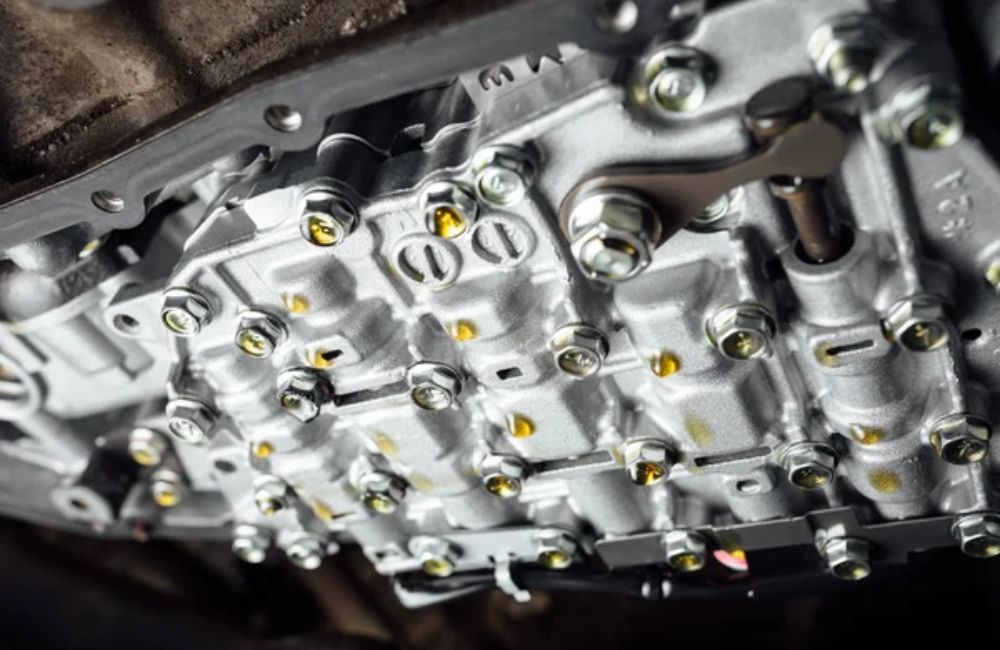
Transmission Fluid Service
Transmission fluid condition assessment and replacement — restoring the hydraulic pressure, friction modifier chemistry, and thermal protection that degraded ATF can no longer provide for Gilbert vehicles.
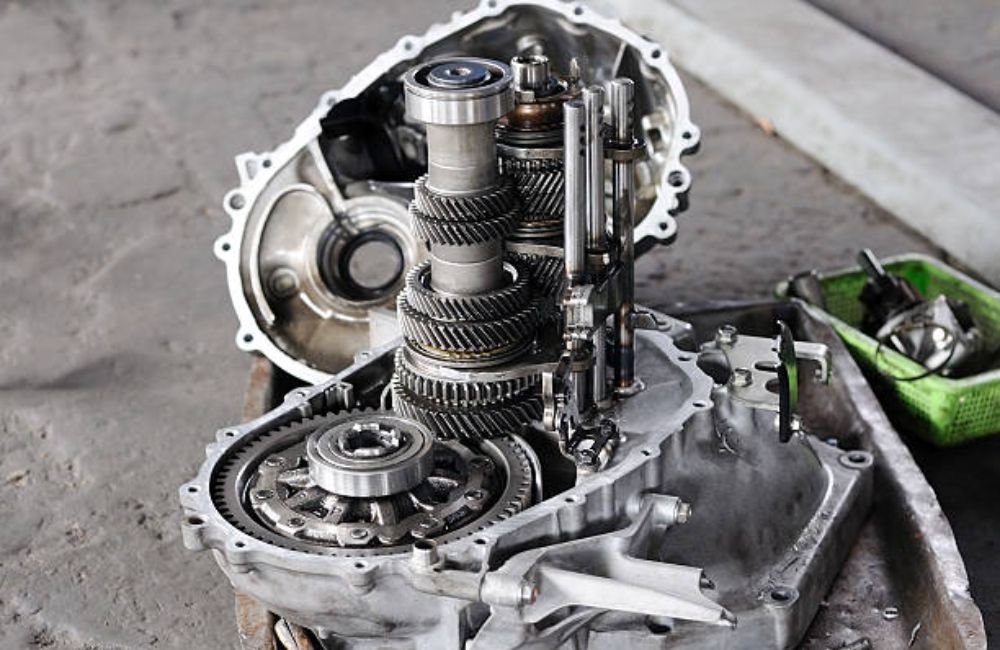
Transmission Diagnostic & Fault Code Retrieval
Transmission-specific scan tool diagnosis with live data analysis — identifying the electronic, hydraulic, or mechanical source of shift faults, warning lights, and drivability complaints.

Shift Solenoid Diagnosis & Replacement
Shift solenoid electrical testing, resistance measurement, and replacement — correcting the erratic shifting, delayed engagement, and fault codes caused by solenoid circuit faults in Gilbert vehicles.

Torque Converter Service & Replacement
Torque converter stall speed assessment, lockup clutch evaluation, and replacement — addressing the shudder, slipping under load, and converter fault codes affecting automatic transmission performance.

Transmission Filter & Pan Service
Transmission filter replacement, pan gasket service, and pan inspection for debris — a maintenance service that restores fluid flow and provides a visual indication of internal wear particle accumulation.
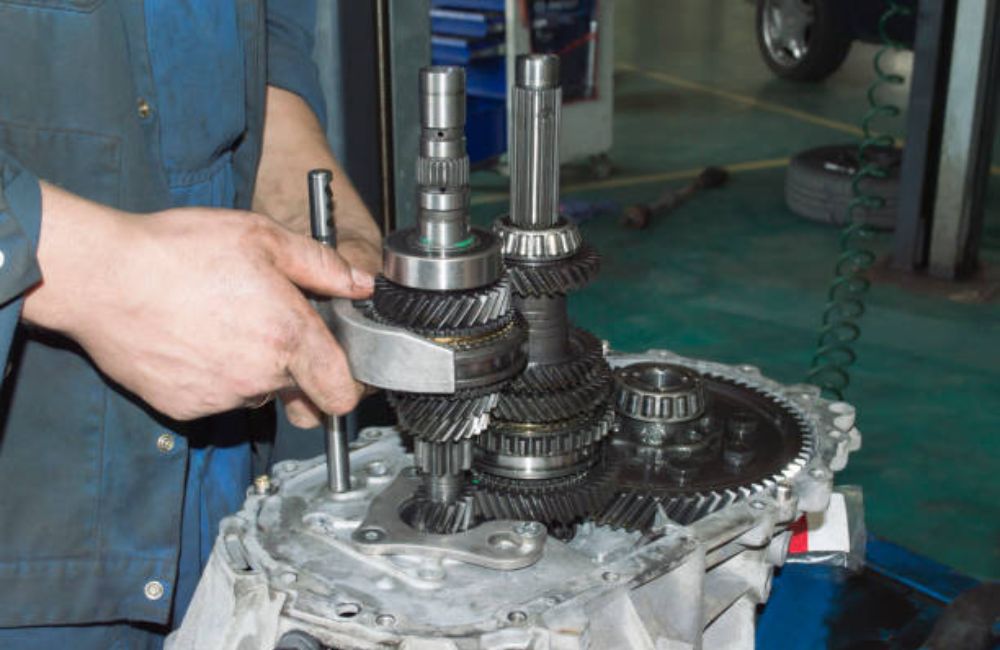
Transmission Control Module Diagnosis
Transmission control module fault diagnosis and programming — identifying TCM faults, software issues, and sensor input errors causing shift quality problems in electronically controlled transmissions.
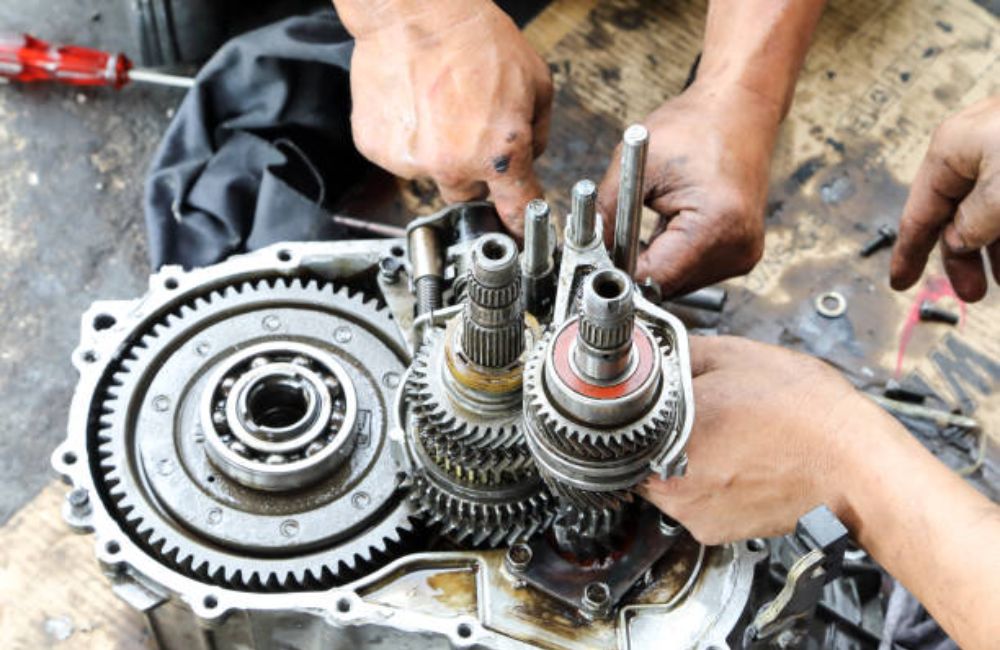
Clutch Service & Replacement
Manual transmission clutch inspection, hydraulic clutch system assessment, and clutch disc and pressure plate replacement — restoring engagement feel and drive capacity for Gilbert vehicles with clutch slip or pedal faults.
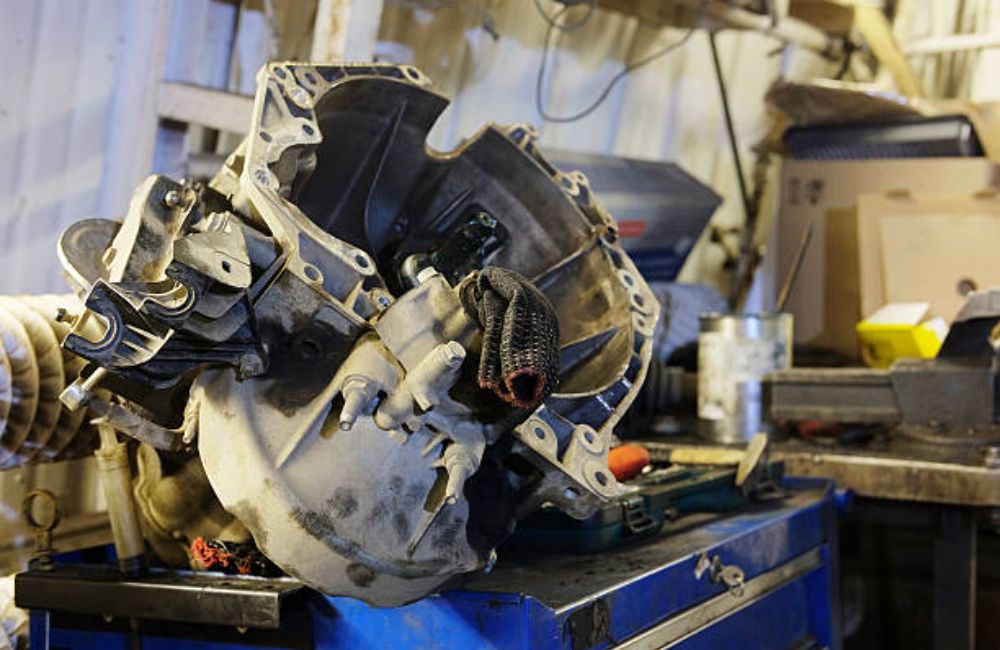
Transmission Rebuild & Overhaul
Complete transmission rebuild with internal component inspection, clutch pack replacement, seal and gasket renewal, and reassembly to specification — where internal wear has progressed beyond fluid service or component replacement.

Transfer Case & Drivetrain Service
Transfer case fluid service, shift fork inspection, and drivetrain fault diagnosis — maintaining four-wheel drive and all-wheel drive system performance for Gilbert vehicles operating in mixed on-road and off-road conditions.
Transmission Service & Repair Gilbert
Why Choose All Valley Car Care for Transmission Service & Repair in Gilbert, AZ
All Valley Car Care provides transmission service and repair near Gilbert, AZ, combining scan tool diagnosis with live transmission data analysis and physical inspection — not a fluid service recommendation made without first assessing transmission condition, fault codes, and shift quality. Our location serves drivers across the Higley Corridor, Power Ranch, Agritopia, Val Vista Lakes, and surrounding East Valley communities with comprehensive transmission fluid condition assessment, shift solenoid diagnosis, torque converter evaluation, clutch pack assessment, and transmission control module fault diagnosis — performed by ASE-certified technicians who understand how Gilbert’s stop-and-go traffic, freeway driving patterns, and extreme summer heat create the specific transmission fluid degradation and wear patterns East Valley drivers face.
- ASE-certified technicians retrieving transmission-specific enhanced fault codes using bi-directional scan tools — accessing manufacturer-specific transmission control module data beyond generic OBD-II transmission codes
- Live transmission data analysis including fluid temperature, line pressure data, solenoid duty cycles, and input and output shaft speed ratios — identifying the electronic or hydraulic source of shift quality faults before internal inspection is recommended
- Transmission fluid condition assessment using colour, smell, and contamination evaluation — determining whether fluid degradation is the primary fault source or a secondary indicator of internal wear
- Torque converter stall speed evaluation and lockup clutch assessment — identifying torque converter faults that cause shudder, slipping under load, and poor fuel economy in Gilbert’s highway driving conditions
- Road test performed as part of every transmission symptom assessment — confirming shift quality, engagement feel, and fault code conditions under the driving patterns that trigger the symptom
- Written transmission diagnostic findings with fault codes, live data readings, fluid condition assessment, and road test observations documented before any transmission service or repair is approved
- Saturday availability (8 AM–2 PM) for Gilbert drivers who need transmission service outside standard weekday hours.

Transmission Service & Repair Gilbert
How We Deliver Consistent Transmission Service & Repair Quality
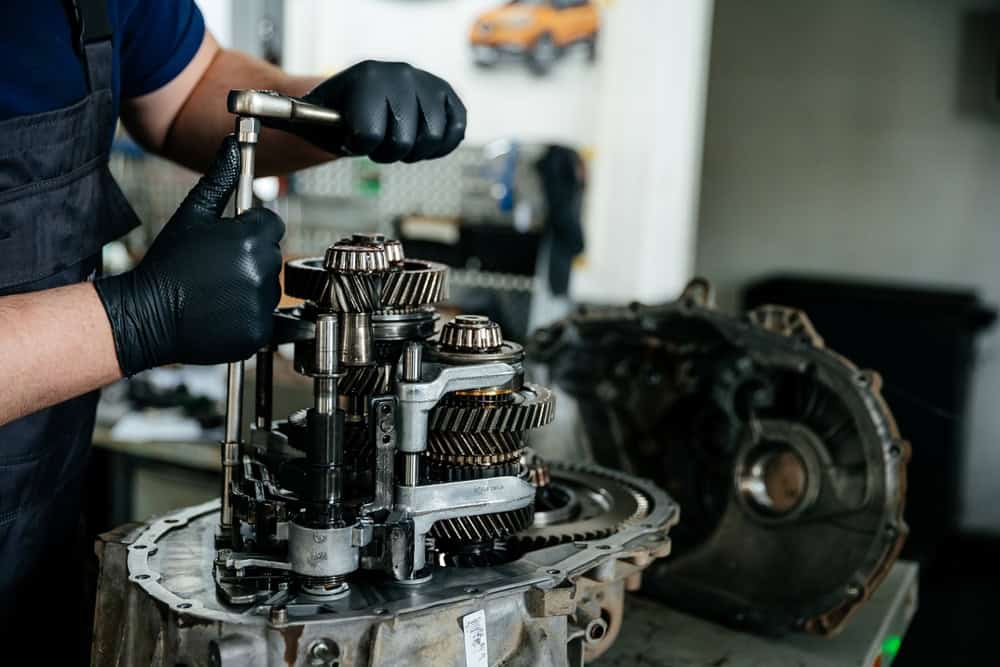
- Transmission fault code retrieval performed using bi-directional scan tools accessing manufacturer-specific transmission control module data — not generic OBD-II readers limited to generic P-codes that lack the solenoid-level and sensor-level detail required for accurate transmission diagnosis
- Live transmission data analysis performed alongside fault code retrieval — recording fluid temperature, line pressure data where accessible, solenoid duty cycle data, and input and output shaft speed ratios that provide the hydraulic and electronic context for shift fault interpretation
- Transmission fluid condition evaluated by colour, odour, and contamination before every service recommendation — distinguishing degraded-but-serviceable fluid from fluid that indicates internal wear through metallic particle or friction material contamination
- Road test performed as a standard part of every transmission symptom complaint assessment — replicating the driving conditions that trigger the fault and confirming shift quality, engagement feel, and torque converter behaviour under load
- Torque converter assessment performed for automatic transmission complaints presenting shudder or slipping under highway load — evaluating lockup clutch engagement quality as a distinct fault source from clutch pack and solenoid faults
- Pan inspection performed where internal wear assessment is appropriate — evaluating the type, quantity, and particle size of debris in the transmission pan as an indicator of the wear stage before recommending fluid service versus internal repair
- Written transmission diagnostic report with fault codes, live data snapshots, fluid condition assessment, road test findings, and pan inspection results provided before any repair recommendation is presented
- Post-service road test and shift quality verification performed after every transmission fluid service, solenoid replacement, and repair — confirming correct shift behaviour before the vehicle is returned.
Transmission Service & Repair Gilbert
Frequently Asked Questions
How do I know if my transmission needs a fluid service or a repair in Gilbert?
A transmission fluid service is the appropriate response when the fluid has degraded beyond its service interval but the transmission is shifting correctly or showing only minor shift quality changes — and when no fault codes or internal wear indicators are present. A transmission repair is appropriate when fault codes, a road test, or physical evidence of internal wear indicate a component fault beyond what fluid replacement will correct. All Valley Car Care assesses transmission fluid condition and retrieves fault codes before recommending either service — ensuring the recommendation is based on the transmission's actual condition.
How often should I have a transmission fluid service in Gilbert, AZ?
Most manufacturers specify transmission fluid service intervals ranging from 30,000 to 60,000 miles for conventional ATF, and some specify longer intervals for sealed units with lifetime fluid — though these specifications are often based on normal operating conditions that do not fully account for Gilbert's ambient temperatures and stop-and-go traffic load. In Gilbert's heat, transmission fluid temperature frequently exceeds the threshold at which ATF degradation accelerates, shortening its effective service life. All Valley Car Care evaluates transmission fluid condition at every service visit and recommends a fluid service when condition indicates it — regardless of the mileage sticker.
What causes a transmission to slip in Gilbert's driving conditions?
Transmission slipping in Gilbert most commonly results from low or degraded ATF that cannot maintain the hydraulic pressure the clutch packs require to engage firmly, from worn clutch pack friction material that has reduced clamping force, or from a shift solenoid fault that is delivering incorrect hydraulic pressure to a specific clutch circuit. Gilbert's sustained summer heat accelerates ATF degradation and increases the rate of clutch pack wear — which is why slipping symptoms that might develop gradually over 80,000 miles in a cooler climate may develop significantly earlier in vehicles driven in the East Valley's thermal environment.
Can I keep driving if my transmission is slipping?
Driving with a slipping transmission accelerates internal wear with every additional mile, as each slip event generates heat and friction that degrades both the fluid and the friction material further. The longer a slipping transmission is driven without diagnosis, the more likely it is that a condition that could have been addressed with a fluid service or solenoid replacement will progress to the point where clutch pack replacement or a full rebuild is required. All Valley Car Care recommends scheduling a transmission inspection promptly when slipping symptoms first appear — before continued driving changes the repair scope.
What is the difference between a transmission service and a transmission flush?
A transmission service typically involves draining the transmission pan, replacing the filter, inspecting the pan for wear debris, and refilling with fresh fluid — replacing the portion of the total fluid volume that drains from the pan. A transmission flush replaces the full fluid volume throughout the entire transmission circuit, including fluid retained in the torque converter and cooler lines that a pan drain does not remove. All Valley Car Care recommends the appropriate service type based on the vehicle's transmission design, the fluid condition, and whether the diagnostic findings indicate that full fluid volume replacement is warranted.
What does a shift solenoid do and how do I know if mine has failed?
Shift solenoids are electro-hydraulic valves inside the transmission valve body that control the flow of transmission fluid to specific clutch circuits — determining which gear is engaged and when shifts occur. A failed shift solenoid produces fault codes in the transmission control module and typically causes specific shift quality symptoms: a solenoid controlling the 1-2 shift will cause rough or delayed first-to-second gear changes, while a solenoid controlling torque converter lockup will cause shudder at highway speeds. All Valley Car Care tests shift solenoid electrical resistance and circuit integrity before recommending replacement — confirming the solenoid fault rather than replacing based on the code description alone.
How long does a transmission service or repair take in Gilbert?
A transmission fluid service including pan drop, filter replacement, and fluid refill typically takes one to one and a half hours. A transmission diagnostic with road test and scan tool analysis takes forty-five minutes to one and a half hours depending on the fault complexity. Solenoid replacement time varies by solenoid location and transmission design — from one to three hours for valve body solenoids accessible without full transmission removal. A transmission rebuild requires the transmission to be removed from the vehicle and is a multi-day repair. All Valley Car Care provides time estimates at scheduling based on the vehicle and the service or repair required.
Transmission Service & Repair Gilbert
Our Transmission Service & Repair Process at a Glance
Vehicle check-in & symptom discussion
Your service advisor discusses the specific transmission symptoms — when slipping, harsh shifting, or warning lights appeared, under what driving conditions the fault occurs, whether symptoms are consistent or intermittent, and any recent service history — alongside current mileage. This directs the diagnostic focus and ensures the technician is testing the systems most likely connected to the symptoms described.
Diagnostic testing & documented findings
The vehicle is connected to a bi-directional scan tool and transmission fault codes, live data, and solenoid data are retrieved and reviewed. A road test is performed to confirm shift quality and fault conditions under driving load. Transmission fluid condition is assessed. Pan inspection is performed where internal wear assessment is warranted. All findings are documented before the technician presents a repair recommendation.
Written findings, approved repairs & post-service verification
The written transmission diagnostic report with fault codes, data readings, fluid condition, and road test observations is presented before any repair is recommended. Approved repairs are completed to manufacturer specifications with OEM-equivalent or better components. A post-repair road test confirms correct shift quality and fault resolution before the vehicle is returned with a complete service record.
Transmission Service & Repair Gilbert
How Our Transmission Service & Repair Suite Works in Gilbert
Transmission Fluid Service
Condition-confirmed fluid service for Gilbert’s extreme heat
Transmission fluid is both the hydraulic medium that actuates every shift in an automatic transmission and the lubricant that protects every internal bearing, gear, and friction surface — and its condition in Gilbert’s heat degrades faster than manufacturer interval estimates based on normal operating conditions typically reflect. All Valley Car Care evaluates transmission fluid colour, odour, and contamination before every fluid service recommendation, providing a condition-based justification rather than a mileage default. The fluid service includes pan removal, filter inspection and replacement where applicable, pan debris assessment for wear particles, and refill with the correct fluid specification for the transmission — as using an incompatible fluid type or viscosity can affect shift quality and solenoid operation in electronically controlled transmissions. Gilbert drivers in the 85234, 85295, and 85296 ZIP codes who service their transmission fluid on a condition-confirmed schedule protect internal components at the lowest possible service cost.
Transmission Diagnostic & Fault Code Retrieval
Scan tool diagnosis that finds the real fault source
The difference between a transmission diagnostic and a code read is the difference between a starting point and a complete picture — and for a system as complex and expensive as a modern automatic or CVT transmission, that distinction directly affects whether the repair recommended resolves the fault or replaces the wrong component. All Valley Car Care uses bi-directional scan tools with manufacturer-enhanced transmission data access to retrieve solenoid-level fault codes, live line pressure data where accessible, input and output shaft speed sensor data, and transmission fluid temperature history. This data, combined with a road test that replicates the conditions triggering the fault, allows the technician to distinguish an electronic solenoid fault from a hydraulic pressure fault from a mechanical clutch pack fault — before a repair recommendation is made. Gilbert drivers who have been quoted a rebuild based on a code read alone benefit from a second diagnostic opinion that tests what the code points to rather than replacing what the code names.
Shift Solenoid Diagnosis & Replacement
Solenoid fault confirmation before replacement
Shift solenoids are among the most commonly misdiagnosed transmission components — because a solenoid fault code names the solenoid circuit but does not confirm that the solenoid itself has failed, as the same code can result from a wiring fault, a connector corrosion issue, or a valve body passage restriction that is preventing the solenoid from operating correctly. All Valley Car Care tests shift solenoid electrical resistance, checks circuit continuity at the connector, and evaluates live solenoid duty cycle data before recommending solenoid replacement. Where the electrical circuit confirms a solenoid fault, replacement is performed with the correct solenoid specification for the transmission — as solenoid flow rates and electrical characteristics vary by model year and transmission calibration. In Gilbert’s heat, where transmission operating temperatures are consistently elevated, solenoid seal material degradation is an accelerated wear mechanism that makes solenoid condition evaluation at every transmission service worthwhile.
Torque Converter Service & Replacement
Converter fault diagnosis for highway shudder and slipping under load
The torque converter is the hydraulic coupling between the engine and the transmission in an automatic transmission — and its lockup clutch, which engages at highway speeds to provide a direct mechanical connection and improve fuel economy, is a distinct wear component from the transmission’s internal clutch packs. Torque converter shudder — the vibration that occurs during lockup clutch engagement, typically at 40 to 60 mph on Gilbert’s freeways — is often mistaken for an engine misfire or road surface vibration. Torque converter slipping under load — where the engine revs without a proportional increase in vehicle speed specifically at higher speeds — is often mistaken for transmission slipping from clutch pack wear. All Valley Car Care evaluates torque converter stall speed and lockup clutch engagement quality as a specific diagnostic step for automatic transmission complaints that present under highway driving conditions — the US-60 and San Tan Freeway being the corridors where these symptoms most commonly manifest for Gilbert drivers.
Transmission Filter & Pan Service
Filter and pan service as a maintenance and diagnostic tool
The transmission filter and pan service is both a maintenance procedure and an inspection opportunity — the pan drop reveals the internal condition of the transmission through the type, quantity, and character of debris that has accumulated in the pan and on the magnet. Fine metallic particles in small quantities are a normal consequence of internal component break-in and low-level wear. A significant quantity of metallic particles, friction material debris, or clutch pack lining fragments indicates internal wear that is progressing beyond normal — and that a fluid service alone may not be the appropriate recommendation. All Valley Car Care inspects every transmission pan for wear debris during filter and pan service, documents the findings, and presents them alongside the fluid service as part of the written inspection report. This approach ensures that a routine maintenance service also functions as an internal condition assessment for Gilbert vehicles with high mileage or a history of deferred transmission maintenance.
Transmission Control Module Diagnosis
Electronic transmission control fault diagnosis in Gilbert
Modern automatic and CVT transmissions are managed by a transmission control module that processes sensor data from the input shaft speed sensor, output shaft speed sensor, transmission fluid temperature sensor, and throttle position input to calculate shift timing, solenoid duty cycles, and torque converter lockup engagement — and a fault in any of these inputs produces shift quality symptoms that are indistinguishable from a mechanical or hydraulic fault without scan tool data. All Valley Car Care diagnoses transmission control module faults by evaluating sensor input values against specification under operating conditions, testing TCM communication on the vehicle’s CAN bus network, and distinguishing between a faulty sensor, a wiring fault, and a TCM fault that requires module replacement or reprogramming. In modern vehicles where the TCM calibration is matched to the specific vehicle’s powertrain configuration, TCM replacement requires programming to the vehicle — a step All Valley Car Care confirms is performed correctly before the vehicle is returned.
Clutch Service & Replacement
Manual transmission clutch assessment for Gilbert drivers
A manual transmission clutch that is slipping — where the engine revs rise without a proportional increase in vehicle speed when the clutch pedal is fully released — or that requires an unusually high pedal release point before drive is transmitted, has worn clutch disc friction material that is no longer providing the clamping force needed for full torque transfer. All Valley Car Care inspects manual clutch systems by evaluating clutch pedal feel, hydraulic clutch system pressure, and the clutch engagement point before recommending clutch replacement — confirming that the symptom is disc wear rather than a hydraulic release bearing fault or a clutch master cylinder fault that produces a similar symptom with a different repair. Clutch replacement includes the clutch disc, pressure plate, and release bearing as a matched set — as replacing only the disc on a worn pressure plate produces premature disc failure from the damaged pressure plate surface.
Transmission Rebuild & Overhaul
Rebuild recommendation based on confirmed internal assessment
A transmission rebuild is the correct repair when internal inspection confirms wear that cannot be addressed through fluid service, solenoid replacement, or individual component replacement — not a default recommendation made because a fault code suggests internal transmission involvement. All Valley Car Care recommends a rebuild only after diagnostic testing, road test evaluation, and where appropriate, pan inspection and internal assessment confirm that wear is distributed across clutch packs, seals, and bearing surfaces in a way that component-level replacement would not fully address. The rebuild process involves complete disassembly, cleaning, and inspection of all internal components — replacing clutch packs, seals, gaskets, thrust washers, and any hard parts showing wear or damage — followed by reassembly to manufacturer specification and a road test to verify shift quality across the full operating range. Gilbert drivers with high-mileage vehicles facing a rebuild recommendation receive a complete written assessment of the internal findings that support the recommendation.
Transfer Case & Drivetrain Service
Four-wheel drive and AWD system service for Gilbert vehicles
The transfer case is the component that distributes torque between the front and rear axles in four-wheel drive and all-wheel drive vehicles — and its fluid condition, shift mechanism function, and chain or gear condition are maintenance and diagnostic items that are frequently overlooked until a fault produces a drivability symptom. Transfer case fluid degrades from heat and moisture contamination over time, losing the lubrication properties that protect the chain, gears, and bearings inside the unit. All Valley Car Care performs transfer case fluid service at the manufacturer-specified interval, inspects the shift mechanism for four-wheel drive engagement faults, and diagnoses transfer case fault codes where a four-wheel drive or AWD warning light has illuminated. In Gilbert’s mixed driving environment — where paved freeway driving dominates but unpaved roads near the San Tan Valley corridor are not uncommon — maintaining transfer case function is a relevant drivetrain service for the significant proportion of Gilbert drivers operating four-wheel drive and AWD vehicles.
Ready For Transmission Service & Repair Service?
Gilbert drivers searching for transmission service near me or transmission repair in Gilbert, AZ can reach All Valley Car Care Monday through Friday 7:30 AM–5:30 PM and Saturday 8 AM–2 PM. Our ASE-certified technicians serve Gilbert and surrounding East Valley communities with scan tool diagnosis, live data analysis, documented findings, and transmission repair recommendations based on what each vehicle’s drivetrain actually requires — not a rebuild recommendation made before the fault is confirmed. Contact our team today and get a clear, written picture of exactly where your transmission stands.
Proudly Serving in Gilbert, AZ
-
Directions from Chandler, AZ to All Valley Car Care, Gilbert, AZ
-
Directions from Mesa, AZ to All Valley Car Care, Gilbert, AZ
-
Directions from Phoenix, AZ to All Valley Car Care, Gilbert, AZ
-
Directions from Queen Creek, AZ to All Valley Car Care, Gilbert, AZ
-
Directions from Scottsdale, AZ to All Valley Car Care, Gilbert, AZ
-
Directions from Tempe, AZ to All Valley Car Care, Gilbert, AZ
-
Directions from Surprise, AZ to All Valley Car Care, Gilbert, AZ
-
Directions from Glendale, AZ to All Valley Car Care, Gilbert, AZ
Serving Neighborhoods & Districts in Gilbert, AZ
-
Directions from Agritopia to All Valley Car Care, Gilbert, AZ
-
Directions from Ashland Ranch to All Valley Car Care, Gilbert, AZ
-
Apache Junction
Directions from Ashland Ranch to All Valley Car Care, Gilbert, AZ
-
Directions from Cooley Station to All Valley Car Care, Gilbert, AZ
-
Directions from Coronado Ranch to All Valley Car Care, Gilbert, AZ
-
Directions from Finley Farms to All Valley Car Care, Gilbert, AZ
-
Directions from Gilbert Town Square to All Valley Car Care, Gilbert, AZ
-
Directions from Higley Groves to All Valley Car Care, Gilbert, AZ
-
Directions from Islands to All Valley Car Care, Gilbert, AZ
-
Directions from Lyons Gate to All Valley Car Care, Gilbert, AZ
-
Directions from Morrison Ranch to All Valley Car Care, Gilbert, AZ
-
Directions from Neely Farms Disc Golf Course to All Valley Car Care, Gilbert, AZ
-
Directions from Power Ranch to All Valley Car Care, Gilbert, AZ
-
Directions from Rancho Cimarron to All Valley Car Care, Gilbert, AZ
-
Directions from Seville to All Valley Car Care, Gilbert, AZ
-
Directions from Spectrum at Val Vista to All Valley Car Care, Gilbert, AZ
-
Directions from Stonebridge Lakes to All Valley Car Care, Gilbert, AZ
-
Directions from The Groves to All Valley Car Care, Gilbert, AZ
-
Directions from Val Vista Lakes to All Valley Car Care, Gilbert, AZ
-
Directions from Verde at Cooley Station to All Valley Car Care, Gilbert, AZ
What Our Customers Say
Real Reviews from Real Surprise Neighbors

