
Cooling System & Radiator Service In Glendale, AZ
Keep Your Engine Running Cool When Arizona Can’t
Expert radiator repair and coolant flush service from ASE-certified technicians who know exactly what Arizona’s extreme heat does to your engine’s cooling system.
- Accurate cooling system diagnosis pinpointing the real cause of overheating before a single part is replaced
- Radiator repair near me — same-day and Saturday appointments to restore engine protection fast
- ASE-certified technicians experienced with domestic, imported, hybrid, and diesel cooling systems
Cooling System & Radiator Service Glendale
Why Cooling System Problems Hit Glendale Drivers Harder Than Most
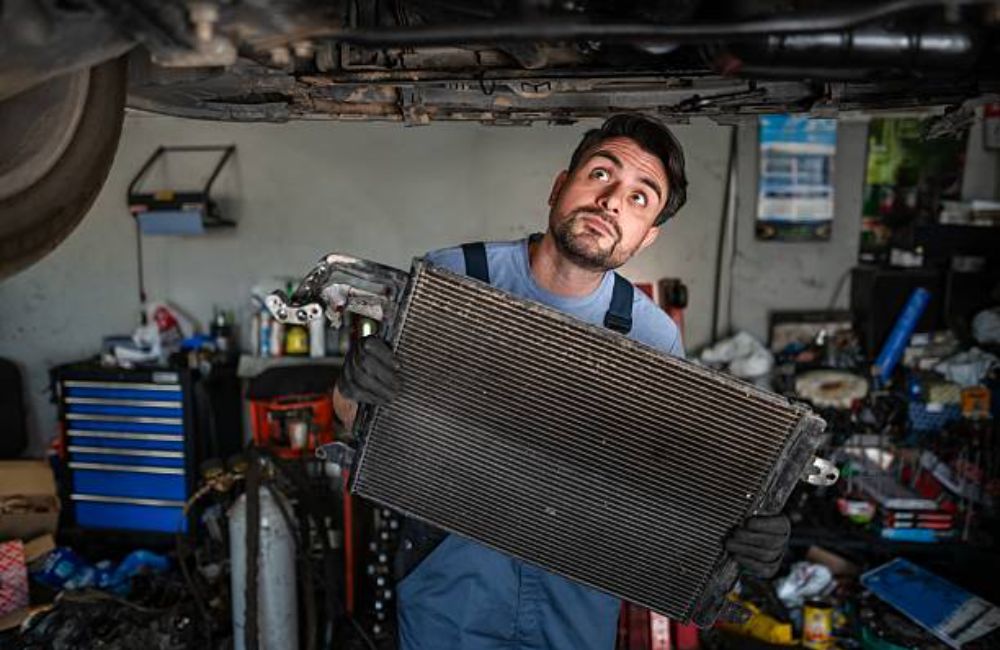
In Glendale’s triple-digit heat, a cooling system failure is an engine emergency
Most automotive repairs create inconvenience. A failing cooling system in Glendale creates a genuine engine emergency. With ambient temperatures regularly exceeding 110°F from June through September, your engine’s cooling system works harder than it was ever designed to — managing heat loads that vehicles in cooler climates never encounter. For Glendale parents, healthcare workers commuting to and from Dignity Health facilities, and tradespeople making stops across the West Valley, an overheating engine isn’t just an inconvenience — it’s a risk of catastrophic engine damage that can turn a manageable repair into a complete engine replacement.
What your cooling system is telling you before it fails completely
Overheating rarely arrives without warning. The radiator that fails in July typically showed early symptoms in May — a temperature gauge that runs slightly warmer than usual, coolant that needs topping off more frequently, a sweet smell near the engine bay after a drive, or a heater that performs inconsistently in the morning. These early signals are easy to dismiss as normal variation until the temperature gauge spikes into the red during the week Glendale’s heat first peaks above 110°F. Recognizing early cooling system symptoms is the difference between a coolant flush and a water pump replacement — or worse, a warped cylinder head.
Coolant degrades — and degraded coolant stops protecting your engine
Fresh coolant does more than prevent freezing — it contains corrosion inhibitors, pH buffers, and lubricants that protect your radiator, water pump, hoses, and engine block from the inside out. Over time and heat cycles, those protective additives break down. Degraded coolant becomes acidic, attacking aluminum engine components and radiator cores. In Glendale’s extreme heat, coolant degrades faster than manufacturer intervals designed for average national conditions assume — making regular coolant flush service a more urgent maintenance priority here than almost anywhere else in the country.
What Glendale’s dust, UV exposure, and thermal cycling do to your radiator
Glendale’s dry season produces high volumes of airborne dust and fine debris that accumulate on radiator fins, reducing airflow and heat dissipation efficiency gradually over each season. Arizona’s temperature extremes — from 115°F summer highs to cool desert nights — create thermal cycling stress on radiator tanks, seams, and plastic end caps that accelerates fatigue cracking. Road debris on Glendale’s arterials chips and damages radiator cores in ways that develop into slow leaks over months. And the UV exposure that Arizona’s sun delivers to rubber hoses and silicone connections causes premature cracking and coolant loss that may go unnoticed until a roadside failure makes it unavoidable.
The repair that always costs more than prevention
The consequences of a cooling system failure in Glendale’s summer heat move quickly from inconvenient to catastrophic. A brief overheating event can warp aluminum cylinder heads, damage head gaskets, and score cylinder walls — repairs that dwarf the cost of the cooling system service that would have prevented them. Many Glendale drivers who’ve faced engine repair bills trace the root cause to a cooling system problem that was developing for months before it became obvious. The cost of a coolant flush or radiator repair near me is a fraction of what deferred cooling system maintenance can ultimately produce.
Accurate cooling system diagnosis requires more than a visual inspection
Proper cooling system diagnosis in Glendale involves pressure testing to locate leaks that aren’t visible to the eye, coolant condition testing to assess protection level and contamination, thermostat function evaluation under operating conditions, water pump assessment for bearing wear and impeller erosion, and radiator flow testing to identify internal restriction. A shop that diagnoses cooling system problems by topping off coolant and sending a driver back on the road isn’t solving the problem — it’s delaying the failure until a hotter day and a more expensive outcome.
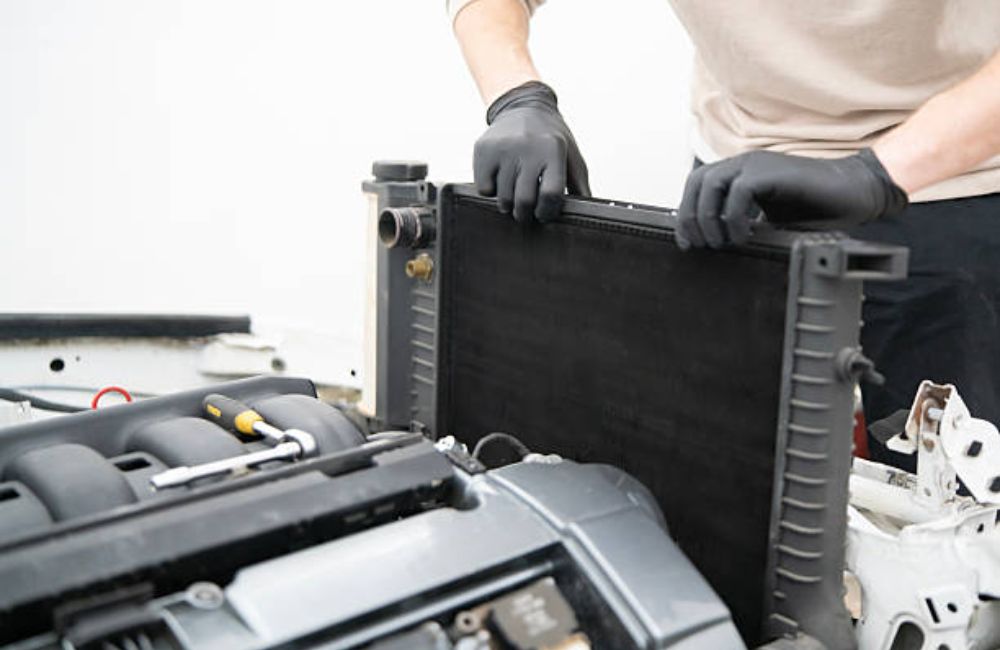
Cooling System & Radiator Service Glendale
Our Cooling System & Radiator Services
Complete cooling system repair and maintenance in Glendale, AZ — covering diagnosis, coolant flush, radiator repair, component replacement, and full system restoration for all vehicle makes navigating Maricopa County’s extreme heat.
Cooling System Diagnosis And Inspection
Comprehensive cooling system evaluation using pressure testing, coolant condition analysis, thermostat function testing, and combustion leak detection to accurately identify the root cause of overheating or coolant loss before any repair begins.

Coolant Flush And Replacement
Complete coolant flush service draining degraded coolant, flushing the system to remove corrosion and deposits, and refilling with the manufacturer-specified coolant formulation — restoring corrosion protection, heat transfer efficiency, and pH balance for Glendale’s extreme operating conditions.

Radiator Repair And Replacement
Radiator inspection, leak testing, and repair or replacement service — addressing the core heat-exchange component that Glendale’s dust, thermal cycling, and road debris attack every season, restored to full cooling capacity with quality OEM-compatible parts.
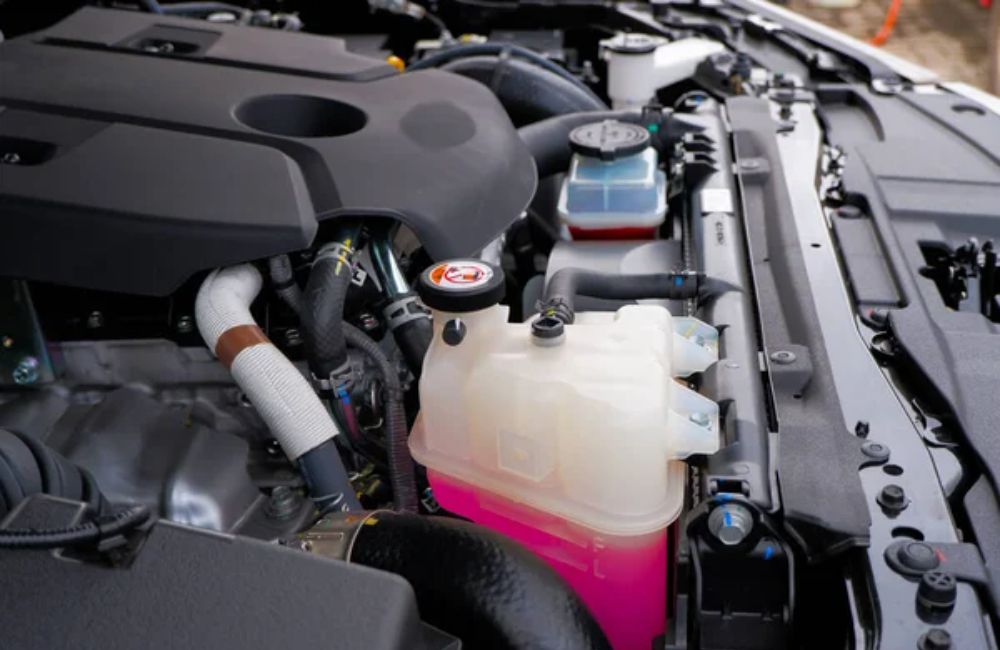
Water Pump Replacement
Water pump evaluation and replacement addressing the component responsible for circulating coolant through the entire system — diagnosing bearing wear, impeller erosion, and seal failure before a pump failure leaves a Glendale driver stranded in triple-digit heat.
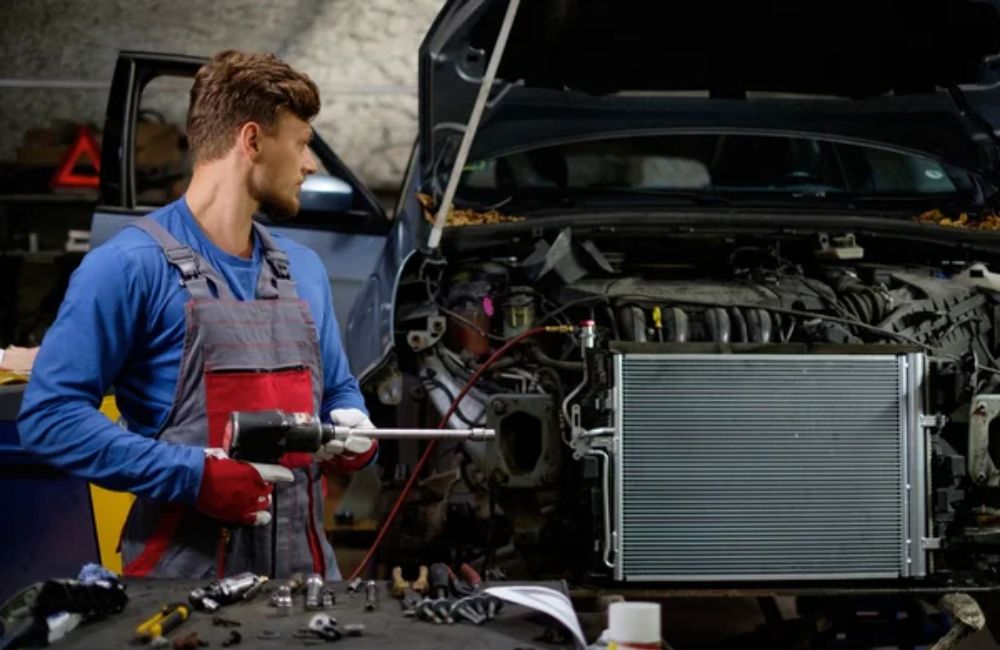
Thermostat Replacement
Thermostat testing and replacement restoring correct engine warm-up behavior, operating temperature regulation, and heater performance — addressing both stuck-open thermostats that prevent proper warm-up and stuck-closed thermostats that cause rapid overheating.
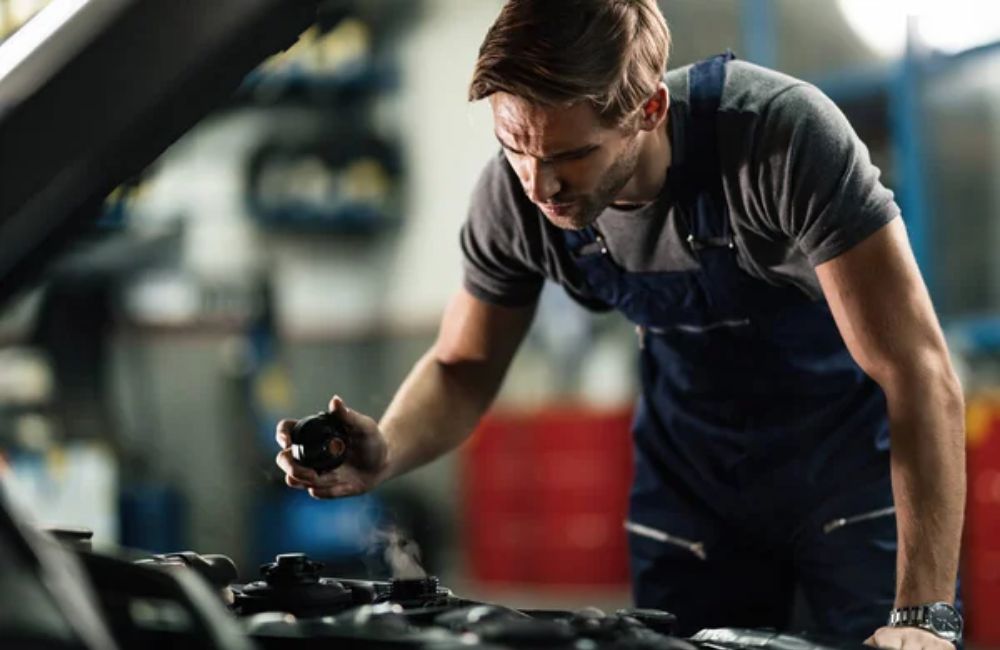
Radiator Hose Inspection And Replacement
Upper and lower radiator hose evaluation and replacement addressing the rubber components most vulnerable to Arizona’s UV exposure and heat cycling — identifying soft spots, cracks, and swelling before a hose failure becomes a roadside emergency on Glendale’s 110°F days.
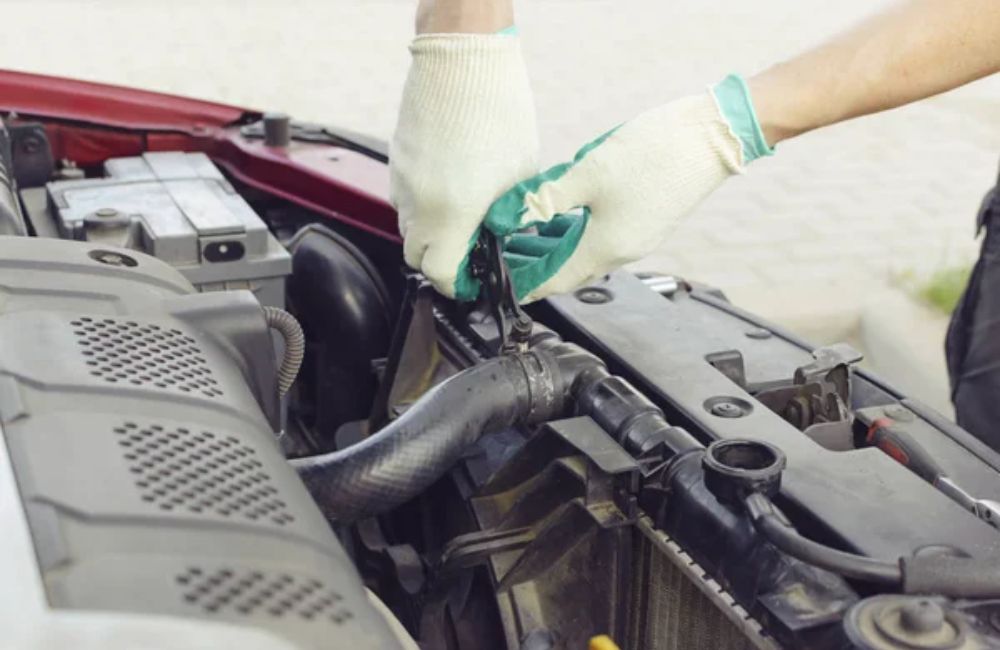
Radiator Cap Testing And Replacement
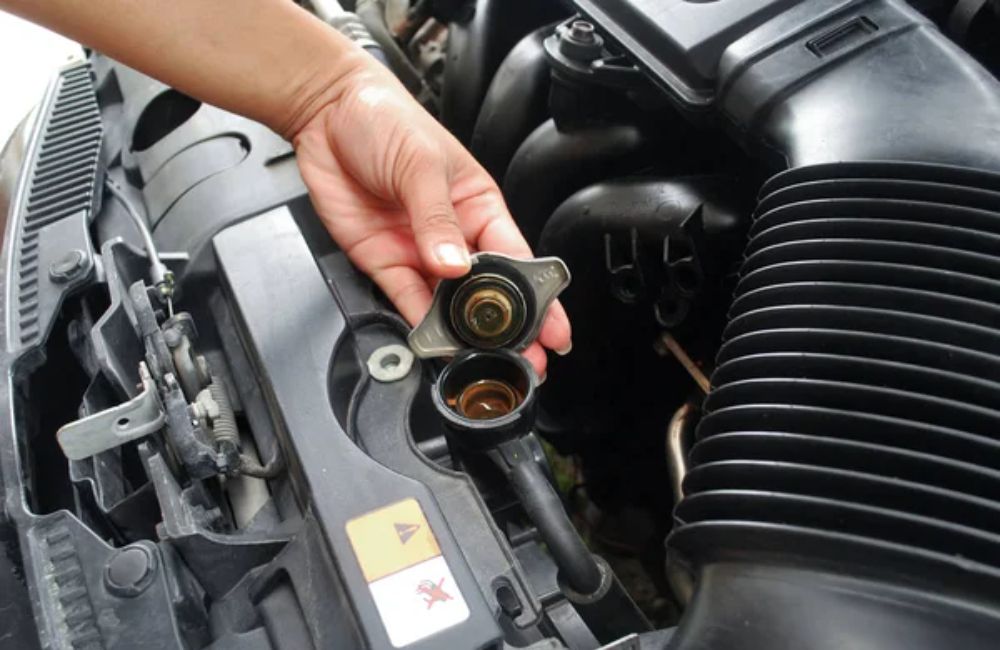
Radiator cap pressure testing and replacement restoring the correct system pressure that raises the coolant’s boiling point — an inexpensive service with an outsized impact on cooling system performance in Glendale’s extreme summer heat.
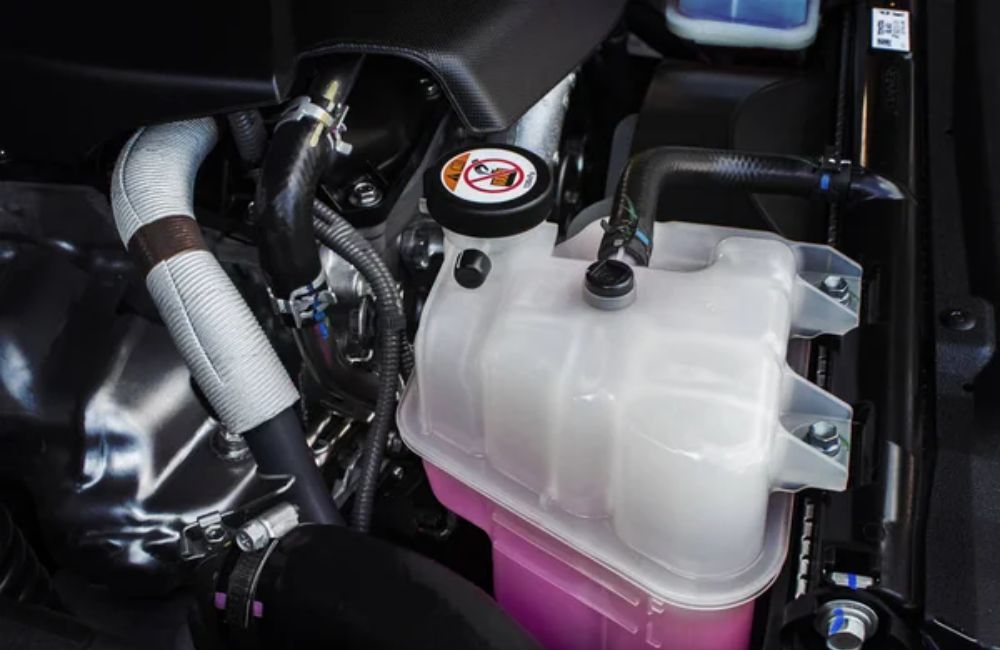
Coolant Leak Detection And Repair
Professional leak detection combining pressure testing, UV dye, and visual inspection to locate coolant leaks at hoses, clamps, radiator seams, water pump seals, and heater core connections — finding the source before coolant loss escalates into an overheating event.

Heater Core Service
Heater core evaluation, flow testing, and replacement — addressing coolant leaks inside the HVAC housing, insufficient cabin heat during Glendale’s cooler months, and the sweet coolant odor inside the vehicle that indicates heater core deterioration.
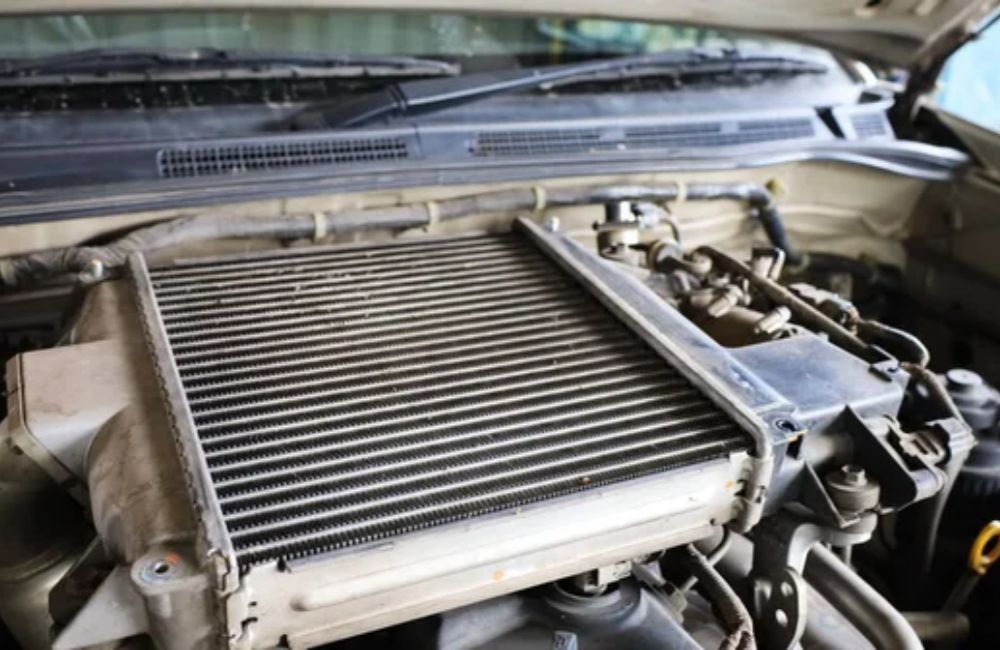
Head Gasket And Combustion Leak Testing
Combustion leak detection using block test fluid to identify head gasket failures that allow combustion gases into the cooling system — distinguishing internal engine damage from external leaks before a cooling system repair misses the actual cause of coolant contamination or loss.
Cooling System & Radiator Service Glendale
Why Choose All Valley Car Care For Cooling System & Radiator Service
All Valley Car Care brings specialized cooling system diagnostic capability and genuine Arizona climate expertise to every radiator repair and coolant flush service in Glendale. Our technicians work across the full spectrum of vehicle makes — domestic, imported, hybrid, and diesel — using professional-grade pressure testing equipment, coolant analysis tools, and combustion leak detection rather than the guesswork that produces return visits and repeat failures.
- Professional cooling system pressure testing at every service to identify leaks before and after repair — not visual inspection alone
- Coolant condition testing evaluating pH, freeze point, and contamination level to confirm whether a flush is genuinely needed and which coolant formulation is correct for your vehicle
- Complete cooling system inspection covering radiator, water pump, thermostat, upper and lower hoses, radiator cap, overflow reservoir, and heater core connections
- Arizona-specific radiator fin cleaning addressing dust and debris accumulation that reduces airflow efficiency — a Glendale-specific problem many shops overlook
- Combustion leak testing to identify head gasket involvement before cooling system repair proceeds
- Transparent findings with photo documentation before any component replacement is recommended — no speculation, no unnecessary part replacements
- Digital service records tracking coolant type, flush intervals, pressure test results, and upcoming service milestones for every vehicle.
Cooling System & Radiator Service Glendale
How We Deliver Consistent Quality
- Manufacturer cooling system specification research confirming correct coolant type, system capacity, and thermostat temperature rating for every vehicle make, model, and year before any service is performed
- Cooling system pressure testing before and after every repair — confirming no remaining leaks before the vehicle is returned
- Coolant condition analysis evaluating pH level, freeze and boil protection range, and contamination indicators — ensuring flush recommendations are based on actual coolant condition rather than mileage assumption alone
- Combustion leak block testing performed whenever coolant contamination, unexplained coolant loss, or overheating is present — ruling out head gasket involvement before cooling system repair proceeds
- Arizona-specific radiator fin inspection accounting for dust accumulation and airflow restriction patterns unique to Glendale’s dry season driving conditions
- Photo documentation of pressure test results, coolant condition, hose condition, and leak locations compiled before any repair recommendation is presented to the customer
- ASE-certified technician oversight on all cooling system diagnosis and repair, with post-repair pressure test and temperature verification confirming system integrity before vehicle return
- Digital service records tracking coolant type, flush date, pressure test results, and upcoming cooling system service intervals for every vehicle in our care.
Cooling System & Radiator Service Glendale
Frequently Asked Questions
How much does radiator repair cost in Glendale, AZ?
Radiator repair and cooling system service pricing varies significantly based on what the diagnosis reveals. A coolant flush is one of the more affordable cooling system services, while water pump or radiator replacement involves more parts and labor. Head gasket repair is among the more involved engine repairs if combustion leak testing identifies that as the root cause. We provide a detailed, itemized estimate after completing our diagnostic evaluation — before any repair work begins. Contact us at (623) 303-9225 or bring your vehicle in for an accurate assessment of your specific situation.
Why is my car overheating in Glendale's summer heat?
Overheating in Glendale is most commonly caused by low coolant from a system leak, a failed thermostat stuck in the closed position, a water pump that is no longer circulating coolant effectively, a radiator with restricted flow from debris or internal deposit buildup, or a head gasket failure allowing combustion gases into the cooling system. Each of these requires a different repair — which is why pressure testing and a systematic diagnostic evaluation matters more than simply topping off coolant and hoping for the best.
What does a coolant flush near me actually include?
A proper coolant flush at All Valley Car Care includes draining the existing coolant, flushing the system with a cleaning solution to remove corrosion deposits and contamination, inspecting hoses and the radiator cap during the flush process, and refilling with the manufacturer-specified coolant formulation at the correct concentration. We test coolant condition before the flush to confirm it's genuinely needed and verify freeze and boil protection after refilling to confirm the correct mixture. For additional coolant handling guidance, the EPA provides environmental disposal information at epa.gov.
How does Glendale's heat affect my car's cooling system specifically?
Glendale's sustained extreme heat places cooling system components under stress that shortens their service life compared to vehicles in more temperate climates. Coolant degrades faster in high heat, losing corrosion protection and pH balance more quickly. Rubber hoses become brittle faster under Arizona's UV exposure and heat cycling. Radiator fins accumulate dust from Glendale's dry season, reducing airflow efficiency. Water pumps and thermostat seals experience accelerated wear under sustained high-temperature operation. The net result is that maintenance intervals designed for average climates often don't translate directly to Arizona conditions — more frequent inspection and earlier service are often the right call here.
How do I know if I need a radiator repair or a full replacement?
Whether radiator repair or replacement is the right answer depends on the type and location of the damage. Cracks in plastic end tanks, significant core damage from road debris, and internal blockage that restricts flow typically indicate replacement is the more reliable solution. Small leaks at accessible fittings can sometimes be repaired effectively. Our technicians evaluate radiator condition — including a pressure test after any potential repair — before recommending a path forward, and we explain the reasoning so you can make an informed decision.
How often should I flush my coolant in Arizona?
We recommend checking coolant condition annually, especially before summer peak heat, rather than relying on mileage intervals alone. Glendale's operating conditions often make more frequent service appropriate — particularly for vehicles that accumulate significant city mileage in stop-and-go traffic where cooling systems work hardest. Our coolant condition testing gives us an actual measurement of protection level rather than a mileage assumption, so flush recommendations are based on what your coolant genuinely needs — not a generic schedule.
Can I drive with a coolant leak in Glendale's summer?
Driving with a coolant leak in Glendale's heat is a significant risk. Coolant loss reduces the system's heat transfer capacity, and in 110°F-plus ambient temperatures, even a modest reduction in cooling effectiveness can push engine temperatures into the overheating range quickly. A brief overheating event in Arizona's heat can warp aluminum cylinder heads or damage head gaskets — repairs far more expensive than addressing the original leak. Any visible coolant leak, rising temperature gauge, or coolant warning light should be treated as an urgent service priority rather than a problem to monitor.
Cooling System & Radiator Service Glendale
Our Process At A Glance
Discovery & Assessment
Your service advisor discusses your cooling system symptoms in detail — when the temperature gauge changed behavior, whether coolant warning lights have appeared, what the vehicle smells like after a drive, and what previous cooling system service has been performed. We confirm your vehicle’s coolant specification and cooling system configuration before connecting diagnostic equipment.
Diagnostic Execution And Repair
Our ASE-certified technicians perform pressure testing, coolant condition analysis, combustion leak detection, thermostat evaluation, and a complete visual inspection of all accessible cooling system components. Findings are documented with photos and reviewed with you before any repair is authorized. Approved repairs are completed using quality components matched to your vehicle’s specifications, with a post-repair pressure test confirming system integrity.
Performance Verification & Communication
We verify cooling system pressure holds to specification after repair, confirm coolant protection level meets the correct freeze and boil point range, update your digital service record with coolant type and service date, and advise on the next recommended inspection interval before returning your vehicle.
Cooling System & Radiator Service Glendale
How Our Cooling System & Radiator Service Suite Works In Glendale
Cooling System Diagnosis And Inspection
The right diagnosis before the first dollar is spent on repair
Cooling system diagnosis at All Valley Car Care starts with data — a pressure test that reveals leaks invisible to the eye, coolant condition analysis evaluating whether the fluid protecting your engine is still doing its job, and a systematic visual inspection of every accessible component from the radiator cap to the lower hose connections. This approach identifies whether overheating or coolant loss stems from a slow external leak, a failing water pump, a restricted radiator, a thermostat malfunction, or a head gasket issue — producing a confirmed diagnosis rather than a starting assumption. For Glendale drivers who’ve had cooling system work done elsewhere that didn’t resolve the problem, this diagnostic methodology is typically what was missing. All findings are documented with photos before any repair is discussed.
Coolant Flush And Replacement
Fresh coolant is the foundation of a protected engine
A coolant flush near me done properly is one of the most cost-effective ways to protect a Glendale engine from the damage that degraded coolant causes quietly over months and seasons. Our flush service begins with coolant condition testing — pH measurement and freeze and boil protection evaluation — to confirm the service is genuinely needed and identify the correct replacement coolant for your vehicle’s specific requirements. We drain the degraded coolant, flush the system with a cleaning solution that removes corrosion deposits and contaminants from the radiator, hoses, and engine passages, and refill with the manufacturer-specified coolant at the correct concentration. Post-flush protection level verification confirms the job is complete before the vehicle leaves our service bay.
Radiator Repair And Replacement
Glendale’s heat, dust, and roads are hard on radiators — we restore them right
The radiator sits at the front of your vehicle, managing the heat exchange that keeps your engine at safe operating temperatures every mile you drive in Glendale’s summer. Dust accumulation on fins reduces airflow efficiency. Thermal cycling stress cracks plastic end tanks. Road debris on Glendale’s arterials damages core tubes. And internal deposits from degraded coolant restrict coolant flow gradually over seasons. Our radiator service includes a thorough external cleaning to restore airflow, a pressure test to confirm or identify leaks, and an honest evaluation of whether repair addresses the problem durably or replacement is the more reliable path forward. When replacement is the right call, we source quality OEM-compatible radiators matched to your vehicle’s cooling capacity requirements.
Water Pump Replacement
If the coolant isn’t moving, nothing else in the system matters
The water pump is the heart of your cooling system — without it circulating coolant through the radiator, engine block, and heater core, even a perfectly functioning radiator can’t prevent overheating. Water pump failures in Glendale vehicles often develop gradually: a bearing that begins to rumble softly, a weep hole that starts seeping coolant, an impeller that erodes and reduces flow efficiency without failing completely. Our water pump evaluation uses pressure testing, bearing noise assessment during operation, and coolant flow behavior to identify developing pump failure before it becomes a sudden breakdown on a 110°F Glendale afternoon. Replacement is performed using quality components, with a complete system pressure test and performance verification before the vehicle is returned.
Thermostat Replacement
A small component with complete control over your engine temperature
The thermostat is one of the smallest components in your cooling system — and one of the most consequential when it fails. A thermostat stuck in the closed position prevents coolant from reaching the radiator, causing rapid overheating even in a cooling system that’s otherwise healthy. A thermostat stuck open prevents the engine from reaching proper operating temperature, causing rich fuel mixture, increased wear, and a heater that delivers lukewarm air on Glendale’s cooler winter mornings. Thermostat diagnosis requires evaluating temperature gauge behavior across a warm-up cycle and confirming operating temperature — not just replacing it speculatively. When replacement is confirmed, we install a quality thermostat calibrated to your vehicle’s specified opening temperature and verify correct operation before returning the vehicle.
Radiator Hose Inspection And Replacement
The component most likely to strand a Glendale driver mid-summer
Radiator hoses are among the most failure-prone external cooling system components in Arizona — and for good reason. The combination of high underhood temperatures, extreme UV exposure, and the thermal cycling stress of Glendale’s summer days and cool desert nights accelerates rubber hose degradation significantly faster than in most climates. Hoses that feel firm may be masking internal softening and delamination that produces sudden failure under pressure. Our hose evaluation includes a squeeze test for softness and swelling, a visual inspection for surface cracking and collar deterioration, and pressure observation during system testing to identify hoses operating near failure. Replacement hoses are quality components matched to your vehicle’s specifications, and all clamps are inspected and replaced as needed during the service.
Radiator Cap Testing And Replacement
The simplest cooling system service — and one of the most impactful
A radiator cap in good condition maintains the correct system pressure — typically 13 to 16 PSI depending on the vehicle — that raises your coolant’s boiling point well above its unpressurized level. In Glendale’s 110°F-plus ambient temperatures, that margin between coolant temperature and boiling point is the difference between a cooling system that manages summer heat effectively and one that struggles. A cap that can no longer hold rated pressure drops the coolant boiling point, increases the likelihood of localized boiling in the engine, and allows coolant loss through the overflow. We pressure-test radiator caps at every cooling system service and replace them when they fail to hold rated pressure — a small investment that protects everything downstream.
Coolant Leak Detection And Repair
Find the leak before it finds you on the side of the road
Coolant leaks in Glendale vehicles range from obvious — a puddle of green, orange, or pink fluid on the parking surface — to completely invisible without specialized testing. Slow seeps at hose clamps, pinhole leaks in radiator seams, and weeping water pump seals may lose only a small amount of coolant per day but accumulate into serious loss over weeks in Glendale’s summer heat. Our leak detection process combines pressure testing to identify any system point that drops pressure, UV dye injection to trace slow leaks that don’t produce visible external drips, and a systematic inspection of every connection point, fitting, and component. Once located, leaks are repaired and the system is pressure-tested again to confirm no additional leak points remain before the vehicle leaves our bay.
Heater Core Service
A cooling system component that affects comfort and safety all year
The heater core is a small radiator inside your vehicle’s HVAC housing that uses engine coolant to heat the cabin — and a cooling system component that can fail in ways that affect both your comfort and your engine’s coolant supply. A leaking heater core loses coolant from the system without any visible external dripping, produces a sweet coolant smell inside the cabin, and can cause foggy windshield conditions from coolant vapor in the airstream. Heater core replacement is a labor-intensive repair requiring dashboard disassembly, which makes accurate diagnosis before undertaking the work particularly important. We evaluate heater core integrity through pressure testing, coolant odor assessment, and HVAC performance evaluation before recommending replacement.
Head Gasket And Combustion Leak Testing
The test that prevents a cooling system repair from missing the real problem
Not every cooling system failure is a cooling system problem. Head gasket failures allow combustion gases to enter the coolant, contaminating it, causing unexplained coolant loss without visible external leaks, and producing overheating that returns even after a cooling system repair addresses every other component. Our combustion leak test — using block test fluid that changes color in the presence of combustion gases — identifies head gasket involvement before cooling system repair proceeds, preventing the scenario where an expensive radiator or water pump repair fails to solve the problem because the real cause was never tested for. For Glendale drivers experiencing coolant loss without visible leaks, overheating that returns after service, or white exhaust smoke, combustion leak testing is a critical diagnostic step.
Ready For Expert Cooling System & Radiator Service In Glendale?
All Valley Car Care serves Glendale and the broader West Valley with specialized cooling system diagnostic capability, quality components, and a commitment to car service that resolves overheating and coolant problems accurately the first time. We’re available Monday through Friday from 7:30 AM to 5:30 PM and Saturday mornings from 8 AM to 2 PM — because in Glendale’s summer, a rising temperature gauge is a warning that demands immediate attention, not a problem to schedule around.
Proudly Serving in Glendale, AZ
-
Directions from Avondale, AZ to All Valley Car Care, Glendale, AZ
-
Directions from El Mirage, AZ to All Valley Car Care, Glendale, AZ
-
Directions from Litchfield Park, AZ to All Valley Car Care, Glendale, AZ
-
Directions from Peoria, AZ to All Valley Car Care, Glendale, AZ
-
Directions from Phoenix, AZ to All Valley Car Care, Glendale, AZ
-
Directions from Surprise, AZ to All Valley Car Care, Glendale, AZ
-
Directions from Tolleson, AZ to All Valley Car Care, Glendale, AZ
-
Directions from Youngtown, AZ to All Valley Car Care, Glendale, AZ
Serving Neighborhoods & Districts in Glendale, AZ
-
Directions from Arrowhead Ranch to All Valley Car Care, Glendale, AZ
-
Directions from Catlin Court Historic District to All Valley Car Care, Glendale, AZ
-
Directions from Cholla District to All Valley Car Care, Glendale, AZ
-
Directions from Downtown Glendale to All Valley Car Care, Glendale, AZ
-
Directions from Glendale Sports & Entertainment District to All Valley Car Care, Glendale, AZ
-
Directions from La Buena Vida to All Valley Car Care, Glendale, AZ
-
Directions from Maryvale to All Valley Car Care, Glendale, AZ
-
Directions from Ocotillo District to All Valley Car Care, Glendale, AZ
-
Directions from Rovey Farm Estates to All Valley Car Care, Glendale, AZ
-
Directions from Sahuaro Ranch to All Valley Car Care, Glendale, AZ
-
Directions from Thunderbird Palms to All Valley Car Care, Glendale, AZ
-
Directions from West Plaza to All Valley Car Care, Glendale, AZ
-
Directions from Yucca District to All Valley Car Care, Glendale, AZ
What Our Customers Say
Real Reviews from Real Surprise Neighbors

